French Terry vs Fleece: How Should Streetwear Brands Choose Hoodie Fabric and Approve the Finished Sample?
Buyer’s Guides
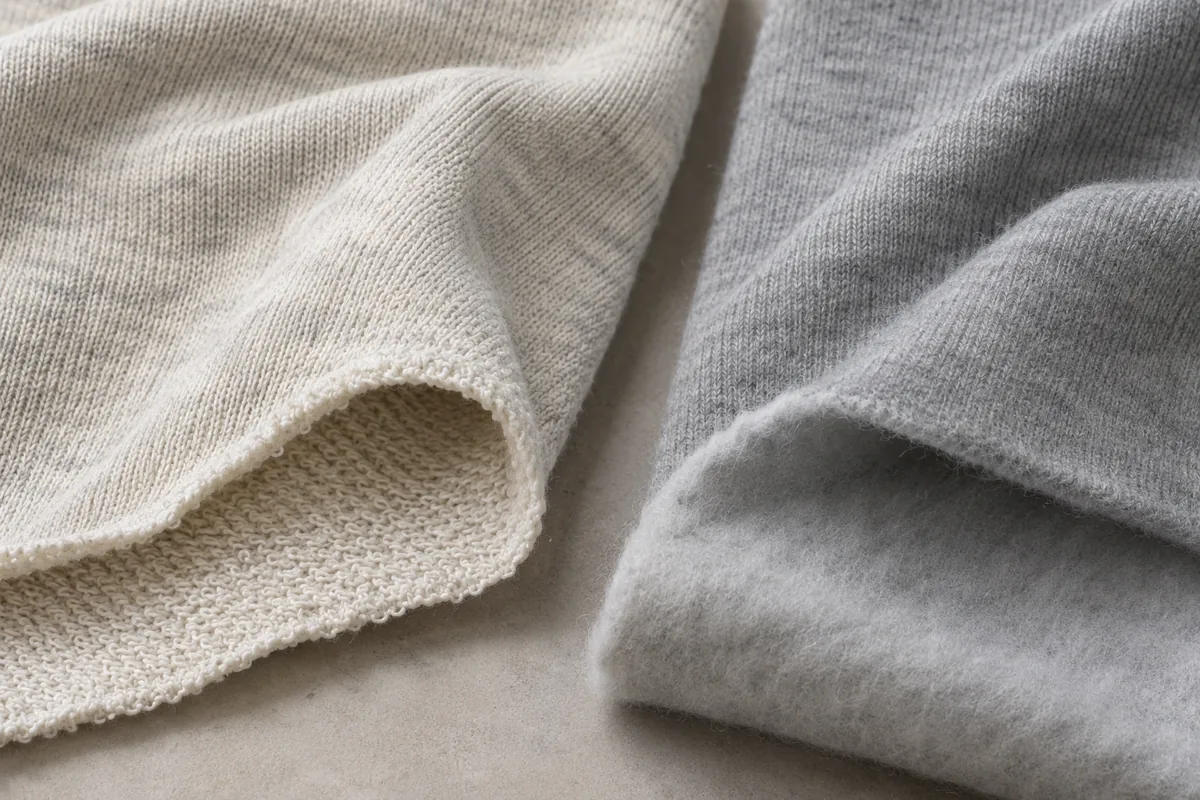
An unbrushed loopback and a brushed sweatshirt fabric can produce different interior surfaces and garment shapes. A controlled sample comparison helps a brand choose the material that supports its intended hoodie.
Direct Answer
Choose French terry when an unbrushed looped interior supports the intended hand and layering brief; consider brushed sweatshirt fleece when a raised interior is central to the desired feel. Neither name alone establishes warmth, weight or quality. Compare actual constructions and finished garments against the same fit, care and surface requirements.
Key takeaways for streetwear buyers
- French terry commonly has a looped reverse; brushed fleece has a raised inner surface.
- Compare the same garment pattern, rib and care route to separate fabric effects from fit changes.
- Approve the actual shell and rib together; construction and finish matter alongside fiber and mass.
- Retain the finished sample, specifications and any agreed test evidence before bulk release.
What is the structural difference?
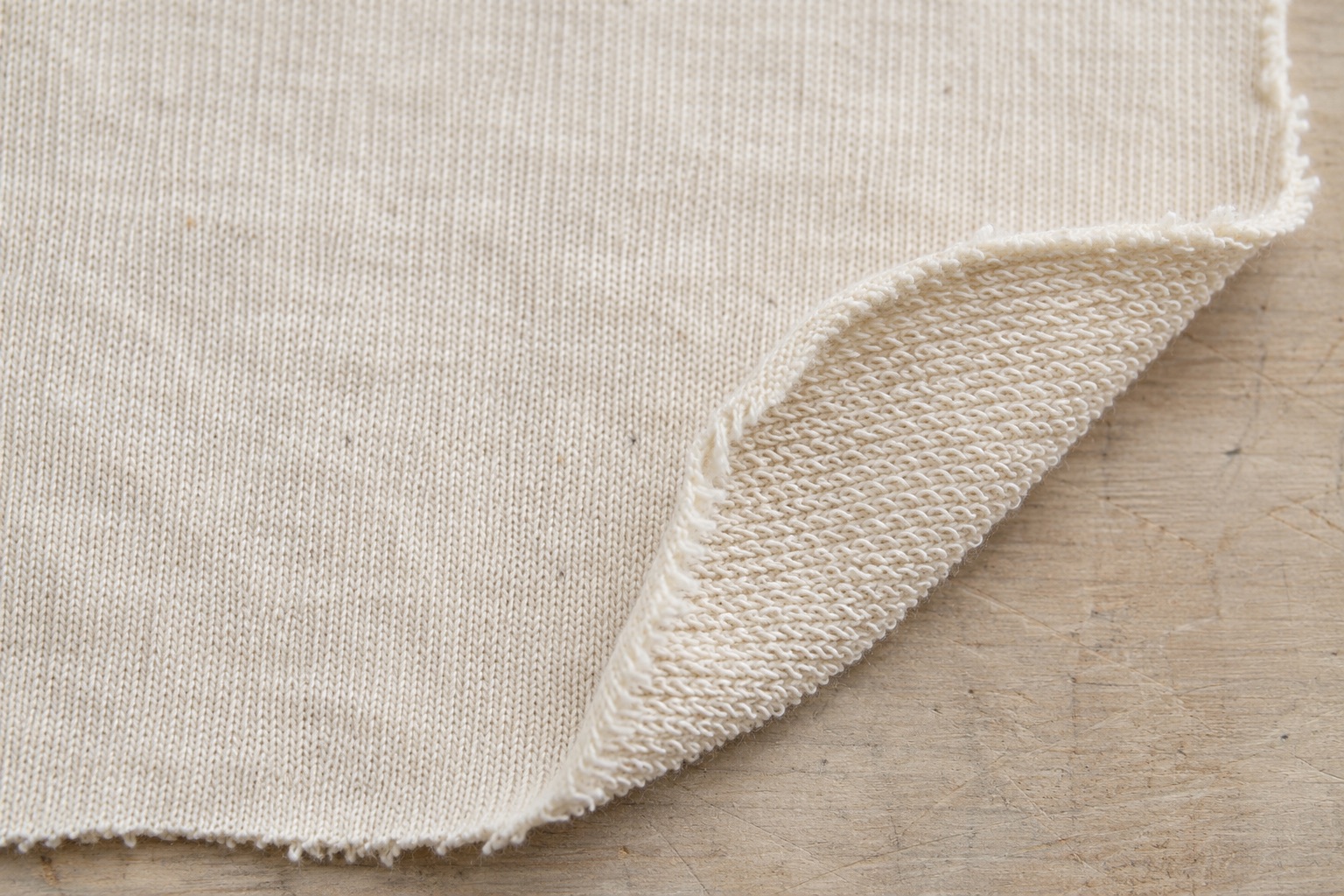
French terry is generally a knitted fabric with a relatively smooth face and visible loops on its reverse. In sweatshirt fleece, the inside may be brushed or napped to raise fibers and create a softer surface. Cotton Incorporated describes French terry as an unnapped fleece construction; terminology varies across suppliers, so request photos of both sides and a physical swatch rather than relying on the label.
Ask whether the candidate is two-end or three-end, which yarns make up its face and back, and whether the inside is brushed. Record the composition and finishing for each component. A brushed surface describes a fabric finish; it does not establish that the fabric is made of polyester or that a specific garment will meet a warmth target.
How should a brand compare the hand and silhouette?
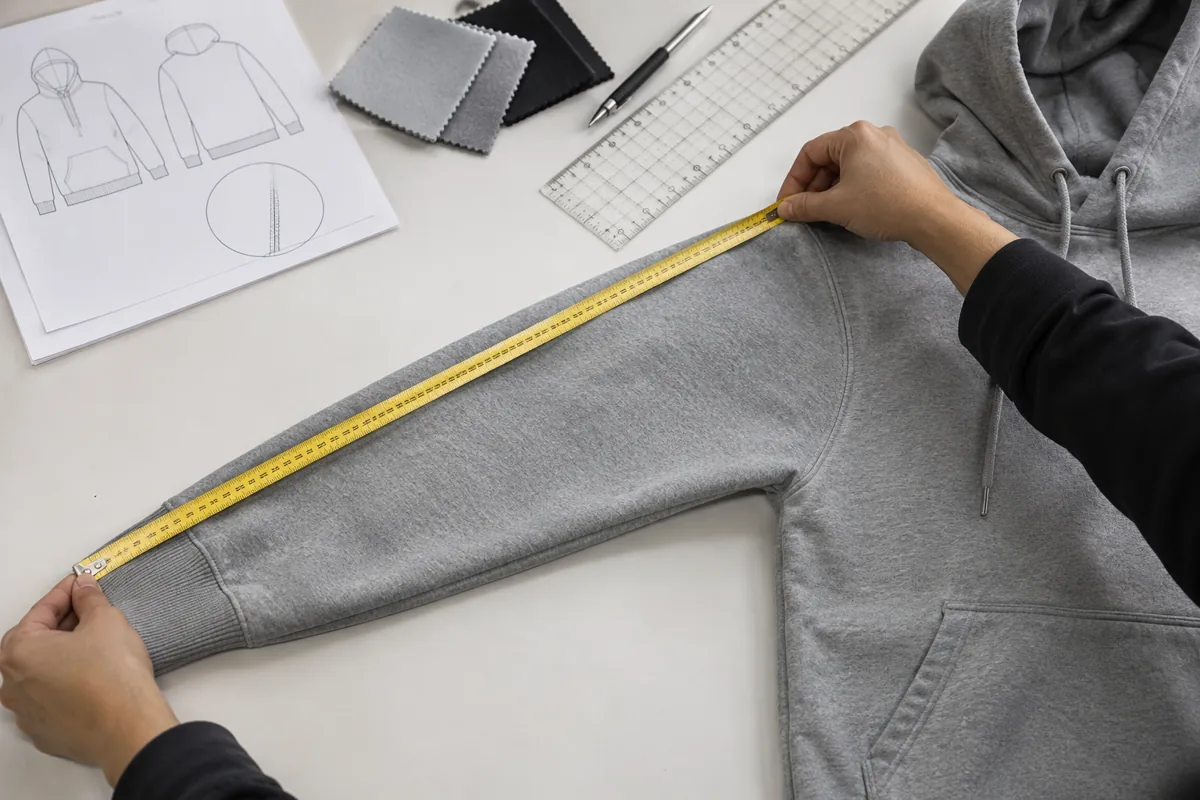
Compare swatches of sufficient size as well as finished hoodies made with the intended pattern. Hold each at the shoulder, let the body hang, and compare how the hood, sleeves and hem retain their intended shape. The result reflects yarn, knit construction, finishing, dimensions and trims together, rather than the fabric category alone.
For a lightweight layering direction, an unbrushed loopback may be worth sampling. For a softer interior, request a brushed option and assess the raised surface after handling. Use the same size, rib and measurement points for both samples; otherwise a pattern or rib change could be mistaken for a fabric advantage.
What must be recorded before quoting?
Send a tech pack with the target garment shape, a physical fabric reference, expected use, color, artwork, size chart and intended quantity. Ask for composition, finished fabric mass per area, usable width, construction and brushing or other finishes. A supplier quotation should identify the exact fabric and any assumptions rather than treating a similar-looking alternative as interchangeable.
When the preferred cloth is unavailable, request a substitute swatch and revised quotation. Compare the face, reverse, rib match, color response and finished sample before acceptance. Specify whether the quote includes testing, decoration and post-sewing finishing; agree delivery and commercial terms separately.
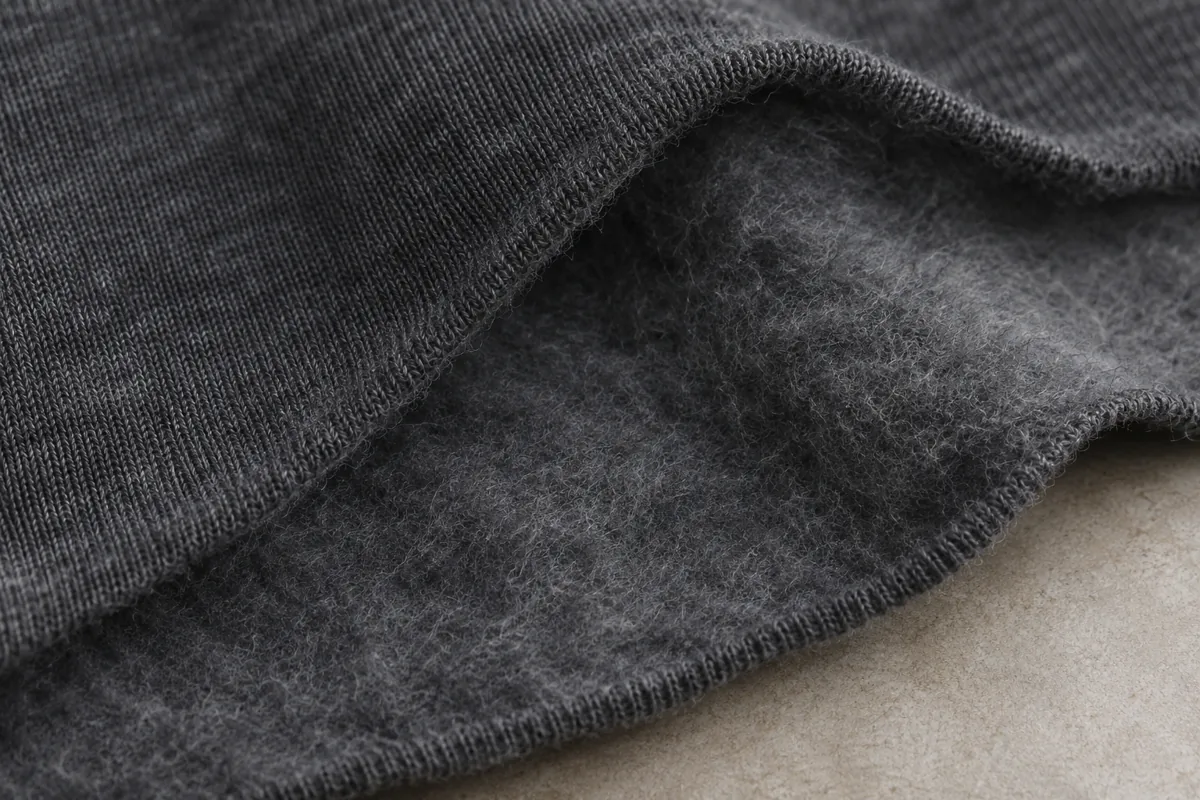
For the first swatch request, also describe intended use and whether the inside should show loops or a raised surface. Distinguish stock candidates from fabrics requiring development and identify the features a physical reference is meant to communicate.
Which sample checks reduce production risk?
Measure the finished sample at the agreed points before and after the agreed care cycle. Inspect the collar, hood seam, cuffs and hem for distortion, and examine the inside for loose fibers or surface change. Record the method, conditioning, number of washes and acceptance limits before interpreting results.
A fabric mass number is useful for comparing like-for-like materials, but it is not a complete proxy for warmth or durability. A lighter dense knit can behave differently from a heavier open or brushed construction. Ask a qualified laboratory for relevant dimensional-change, pilling and colorfastness methods when the project requires independent evidence.
How can the team approve fabric for bulk and repeats?
Retain the signed finished sample, fabric swatch, color standard, measurement chart and relevant lab reports under the same revision. Agree a reasonable range for the brushed surface or loop appearance, especially if the garment is washed after sewing. Document any production change to yarn, mill, finish or rib and decide whether a new sample is required.
Before a repeat order, compare the new lot to the retained standard under agreed lighting and assess the finished garment again. Keep the approval chain accessible to the buyer and supplier; a familiar fabric name alone is not evidence that the same construction has been supplied.
Keep the candidate identity, component references, sample size and measurement method on the same comparison record. If an independent test is commissioned, retain its specimen, method and conditions; a report on another fabric is not automatically applicable.
How can buyers compare fabrics at a similar stated mass?
Use the same measurement convention and ask whether the stated mass applies to finished fabric after the relevant processing. Compare the face and reverse, stretch and recovery by handling, and how each candidate hangs. A shared mass figure does not make two constructions equivalent: yarn selection, knit density and surface treatment can affect the hand and silhouette.
Retain the labels for both swatches and record what you preferred about each. If one makes a hood stand differently or changes the waistband shape, distinguish the observation from its cause. A finished garment and, where appropriate, a suitable test provide stronger evidence than attributing the difference to mass alone.
Which hoodie components should be reviewed with the body fabric?
Review the hood, pocket, cuffs, hem and neckline as a connected system. The hood may use a lining or multiple layers; its weight and shape can affect the neckline when worn. A rib with a different recovery or finished shade can pull a wide body inward or make the cuff look unlike the approved reference.
Why should rib and lining be reviewed together?
Request the actual proposed rib and lining rather than approving the body swatch in isolation. Check the same combination after the intended finishing and care process. Record the component references and ask for a complete new review if an alternative rib or lining changes the silhouette, color relationship or wearing feel.
How should brushing be defined and approved?
Describe the inside surface as a visual and tactile requirement, not just a request for a soft fleece. Examine the raised fibers, coverage, visible knit base and any loose fibers on a candidate. Discuss how the surface should look after the intended finishing and laundering, and request a finished sample representing the planned route.
Agree what variation is acceptable across the garment and what requires review. A single photograph may not show hand or shed behavior, so retain a signed physical standard. If a supplier changes the brushing operation or material, compare the new garment with that standard and decide whether the change calls for testing or renewed approval.
How should a brand assess loopback appearance and stability?
Inspect the loops on a swatch and at cut edges, seams and pocket areas of the finished garment. Describe whether a compact or more open reverse is preferred and check that the proposed construction can deliver the desired body shape. These observations are descriptive; they do not by themselves establish a numeric durability result.
Ask what sewing and finishing operations the sample received. Review the same areas after the agreed care cycle and document changes in dimensions, twisting, loose yarn or surface appearance. If a concern matters to the purchase, agree an appropriate test and acceptance criterion with the responsible laboratory before the bulk release.
What should a supplier disclose when proposing a substitute?
Ask the supplier to identify exactly which material, finish or source changes and why. Obtain the new swatch identity, component composition and proposed production route; do not accept the same commercial label as proof of equivalence. Compare the substitute with the retained reference on both faces and in the intended garment.
Assess whether the change affects shade, decoration, rib compatibility, hand or dimensions. If it could change a buyer-visible or performance-critical result, request an assembled and finished sample and any agreed tests. The approval record should identify the replacement and which previous fabric reference it supersedes.
How should decoration and finishing be tested on each candidate?
Send artwork, placement and the proposed process sequence with the fabric shortlist. A print, embroidery or appliqué may behave differently on a loopback construction and on a brushed construction, and a later wash can affect the complete result. Ask which face receives the decoration and which components go through each stage.
Compare actual decorated, assembled and finished samples rather than treating a successful isolated fabric test as approval of the hoodie. Review placement against the neckline and pocket, surface hand, visible distortion and appearance after care. Record the approved artwork revision and process route with the fabric candidate.
How can a buyer distinguish a fabric issue from a fit issue?
If a sample loses the intended boxy shape, first note where it occurs: shoulder, hood, body, waistband or sleeve. Compare the measured garment with the approved chart and inspect the pattern and rib reference. A tight hem may change the visual body shape even if the shell cloth is acceptable; a different sleeve proportion can also change how the garment falls.
Ask the development team to propose the cause and the correction rather than replacing the cloth immediately. If material and pattern both change, record the changes so the next sample can be interpreted. Review the correction on a complete garment and decide which revision becomes the new control.
What should happen when the finished sample changes after care?
Compare the sample with its own pre-care measurements at the same points and condition. Document the care method, number of cycles and any visible changes in seams, rib or surface. A change in a single measurement needs interpretation against the agreed tolerance and the intended fit; it is not automatically evidence that every piece in the order is affected.
Ask whether the result is tied to the particular construction, finishing or care procedure and agree the next investigation. If the material or process is revised, make a new sample and repeat the relevant checks. Keep the earlier sample and record so the team can see whether the proposed correction actually resolved the concern.
How should the team handle different colors in one fabric program?
Ask whether all colors use the same base construction and which dyeing or finishing route is planned for each. Similar color names do not prove that all components will appear or behave identically after processing. Review the shell and rib together for every color where the appearance or finishing route could change the decision.
Retain an approved reference for each relevant color and mark which differences are acceptable. If one color requires a different treatment, check whether dimensions, hand, decoration or timing need a separate approval. Avoid applying an approval from a single color automatically to a different construction or process.
What should a supplier comparison reveal beyond the swatch?
Ask each supplier which fabric source, component references and finishing steps are represented in its sample. Check whether the quoted construction is available for the actual assortment and who will coordinate sewing, brushing and any subsequent wash. The useful evidence is an explainable route connected to the proposed order, rather than an attractive generic fabric catalog.
Compare the quote, sample and release plan under the same brief. Identify open points and the person responsible for resolving each one. A supplier proposing an alternative may still be suitable, but the alternative should be visible in the comparison and approved on its own evidence before it replaces the selected reference.
Compare loopback and brushed sweatshirt fleece
| Decision point | French terry / unbrushed loopback | Brushed sweatshirt fleece |
|---|---|---|
| Interior surface | Loops remain visible on the reverse. | The reverse is napped to raise fibers. |
| Starting direction | Consider when the brief prioritizes a looped interior and layering. | Consider when a soft, raised interior is central to the brief. |
| What to verify | Loop formation, fabric construction and finished garment shape. | Brushing consistency, surface change after care and finished garment shape. |
| Do not infer | A fabric name alone does not establish warmth, mass or durability. | Brushing alone does not establish fiber content, warmth or mass. |
For a side-by-side trial, ask for the same shell composition and a comparable construction where available, then make both options in the intended pattern and rib. If the looped interior and finished silhouette meet the brief, select the terry candidate; if the raised interior is essential, assess the brushed candidate after the agreed care cycle. Record the exact fabric and finishing of the sample selected.
Frequently asked questions
Is French terry the same as fleece?
French terry is commonly treated as an unbrushed loopback fleece family; trade names vary, so inspect both surfaces and confirm the construction.
Is brushed fleece always warmer?
Not necessarily. Fiber, construction, thickness, garment fit and conditions affect comfort; compare the finished garment for the intended use.
Can either fabric be cotton or a blend?
Yes. The knit and interior finish do not specify the fiber content. Confirm composition separately.
Sources and next steps
CottonWorks: Single and Double Knits
CottonWorks: Quality Assurance Basics
AATCC: Dimensional Changes after Home Laundering
For a project-specific discussion, send the desired garment, fabric references, measurements, intended finish and quantities. Confirm materials, testing and commercial terms in the quotation.
Explore custom hoodie manufacturing · Review the HD-001 hoodie reference
Related articles
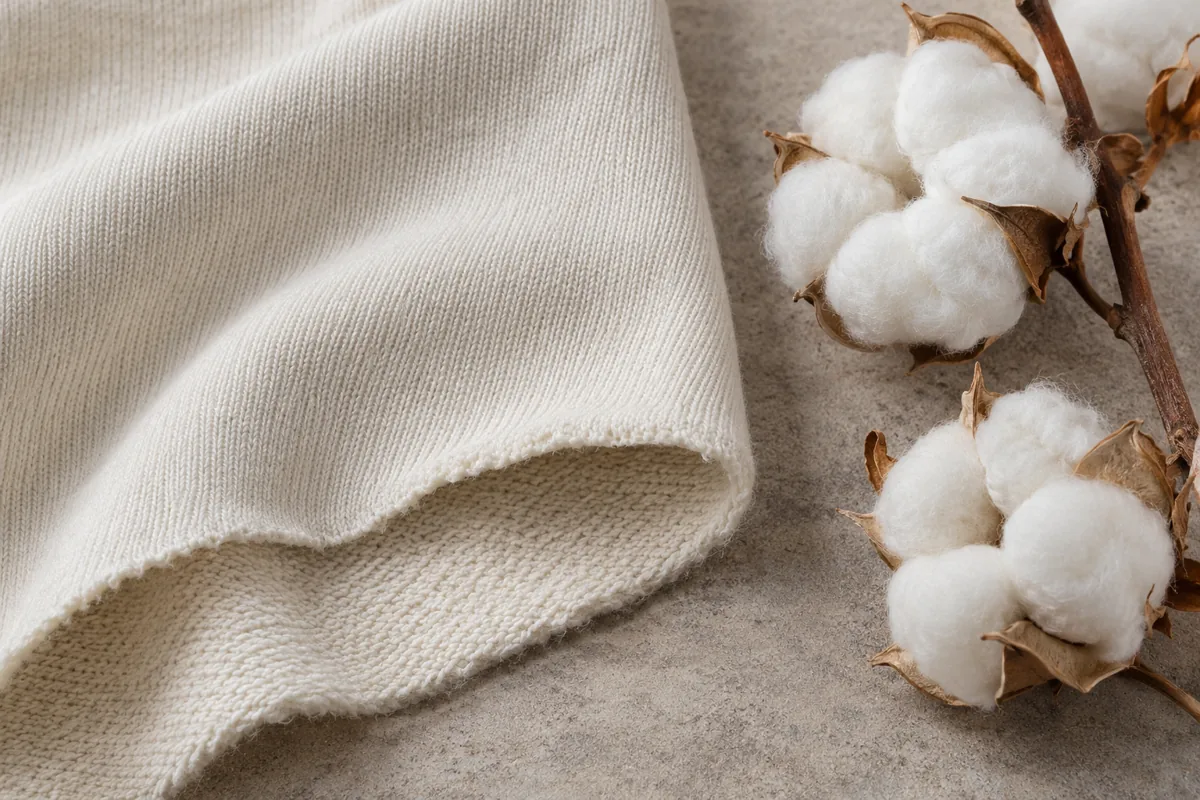 Cotton vs Polyester Hoodie: How Can Streetwear Brands Compare Fiber Content, Fabric and Sample Performance?
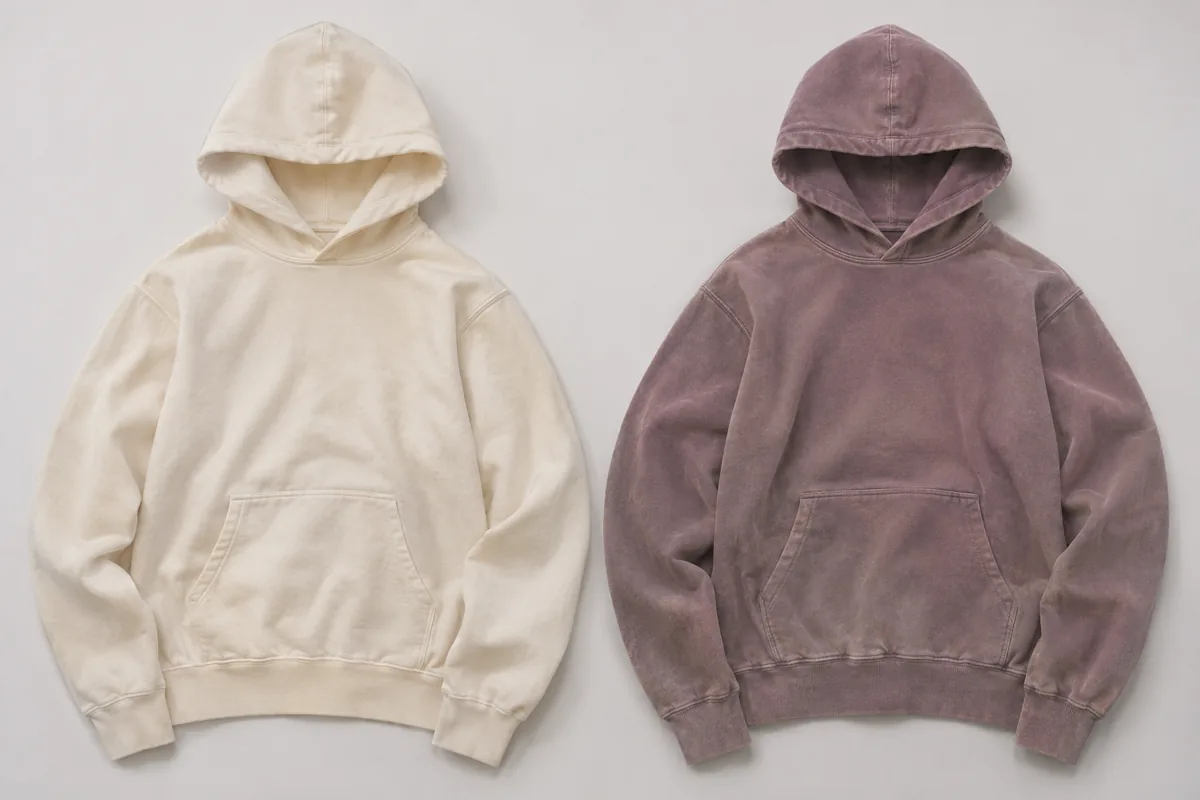 Garment Dyed vs Pigment Dyed: What Should Streetwear Brands Specify and Approve Before Bulk Production?
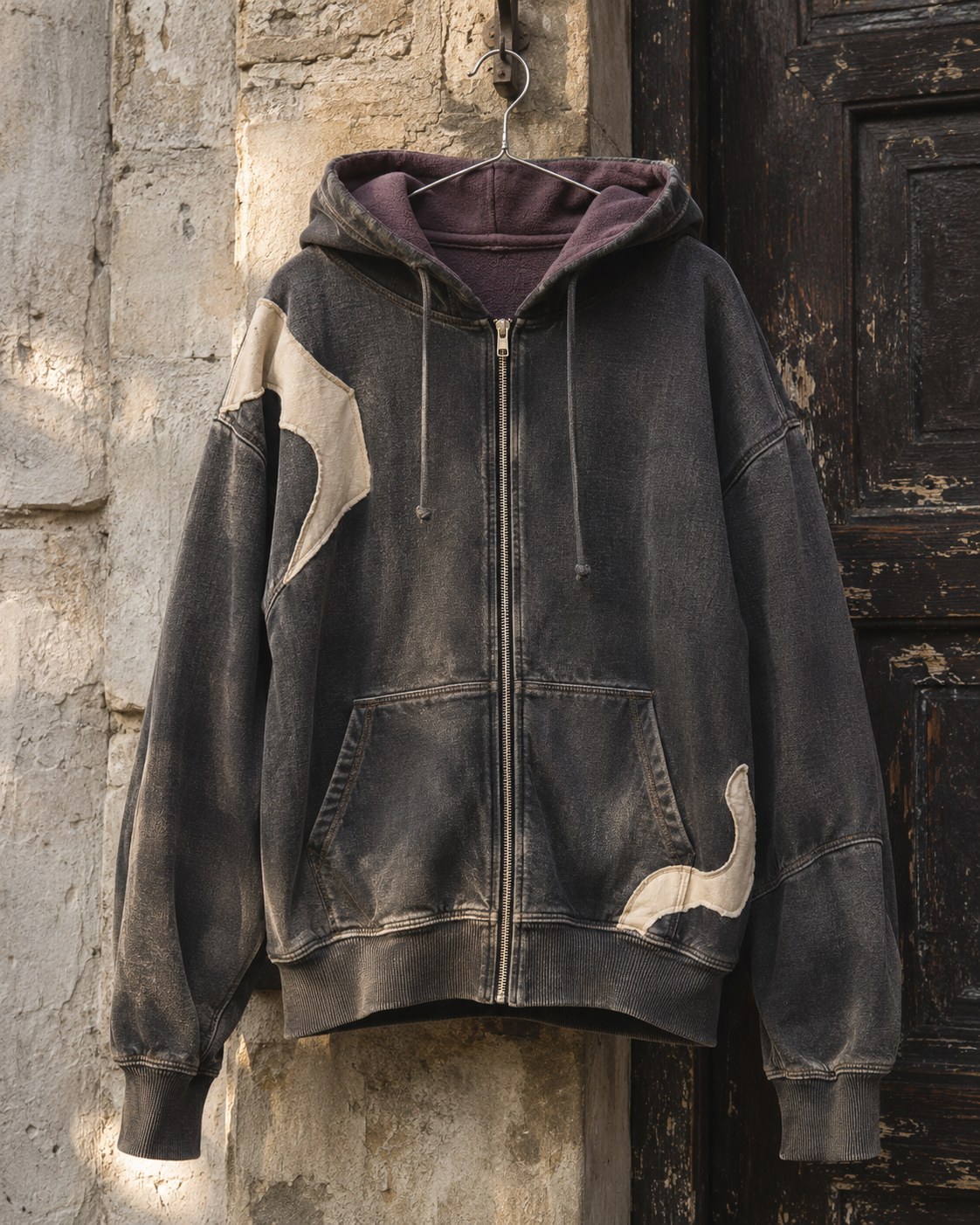 Vintage Hoodie Manufacturers: What Should a Streetwear Factory Approve Before Bulk Production?
 Fabric GSM for Structured Luxury Streetwear: How Should Brands Verify the Finished Garment?