Cotton vs Polyester Hoodie: How Can Streetwear Brands Compare Fiber Content, Fabric and Sample Performance?
Buyer’s Guides
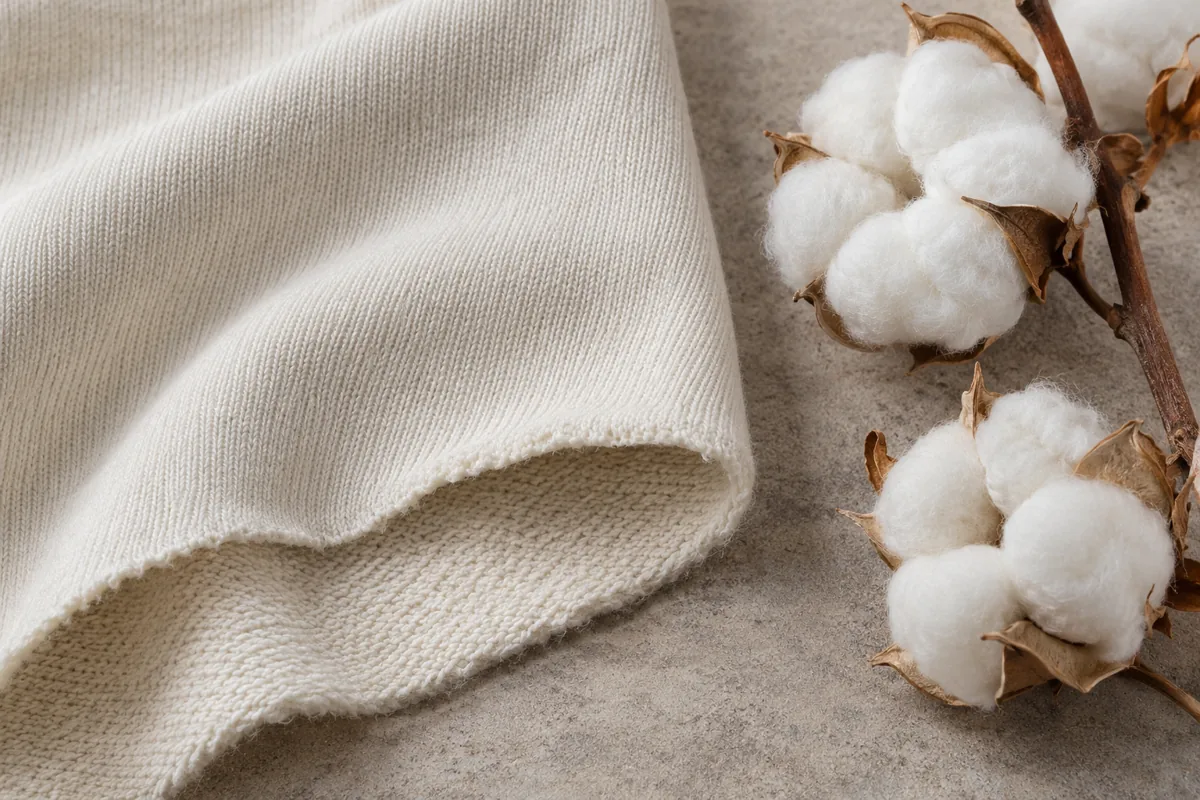
A hoodie’s fiber content is one part of its specification. Knit construction, finish, rib and pattern also affect what a buyer sees and feels in the finished sample.
Direct Answer
Start with the intended wear and the actual fabric, not a claim that one fiber is universally better. Cotton and polyester are different fiber families; a hoodie can also combine them. Compare construction, finishing, color, fit and care on finished samples, and ask for evidence against the requirements of the collection.
Key takeaways for streetwear buyers
- Fiber content, knit construction and finishing are different specification decisions.
- Cotton can absorb moisture; evaluate finished fabric behavior against the intended use and test conditions.
- Compare the same pattern and component references and approve shell and rib separately.
- Record composition and the actual fabric revision; review substitutes on the finished garment.
What does the fiber label tell a buyer?
Cotton is a natural cellulosic fiber; polyester is a manufactured synthetic fiber. Composition identifies the materials in the product, but it does not fully describe the yarn, knit, interior, weight, finishes or pattern. A cotton terry hoodie and a cotton brushed hoodie can feel different even before the design changes.
Ask the supplier for the declared composition of the shell and rib separately. Confirm whether the percentage refers to the actual fabric proposed for this order. If fiber content is a critical claim, agree the documentation or independent fiber analysis appropriate to the market and product.
How should moisture and comfort be compared?
Cotton can absorb moisture, while polyester has low moisture absorption. How comfortable a finished hoodie feels nevertheless depends on fabric construction, air flow, garment fit, surface finishes and conditions of wear. Wicking and drying behavior should be evaluated on the actual material, not inferred from a single fiber name.
If the brief calls for active use, identify the relevant wearing conditions and arrange the appropriate finished-fabric tests. Compare samples after the specified care treatment as well as before it, because finishes and fabric surfaces may change with laundering. Avoid a universal promise that every garment of one fiber dries faster or feels cooler.
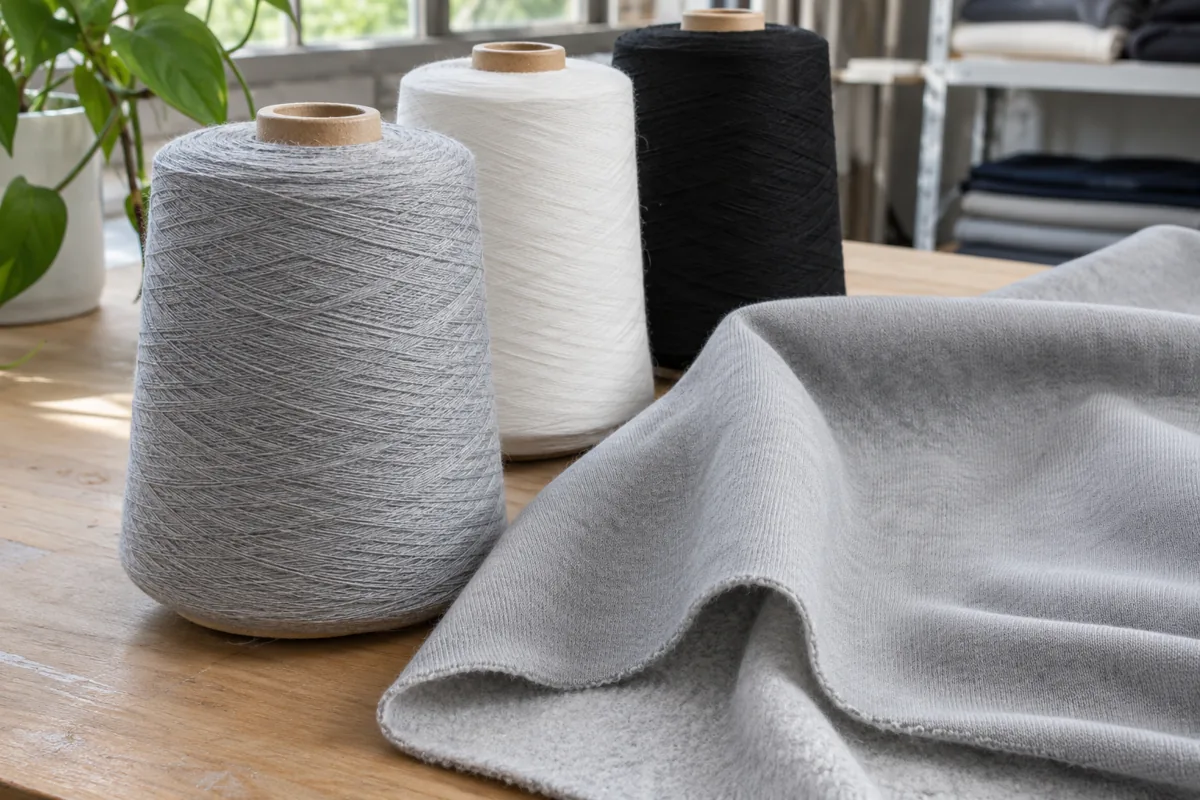
What about appearance, hand and decoration?
Ask to see the face and reverse of each candidate in the target color. Compare drape at the shoulder, hood volume, interior hand, rib recovery and how the proposed graphic looks on the actual surface. A heavyweight cotton fleece and a polyester blend of a different construction are not a controlled comparison.
Fiber content also influences coloration and decoration choices. Give the supplier the artwork, color reference and expected wash treatment before sampling. Test the chosen print, embroidery, transfer or other decoration on the actual fabric and assess how the finished combination looks and feels after care.
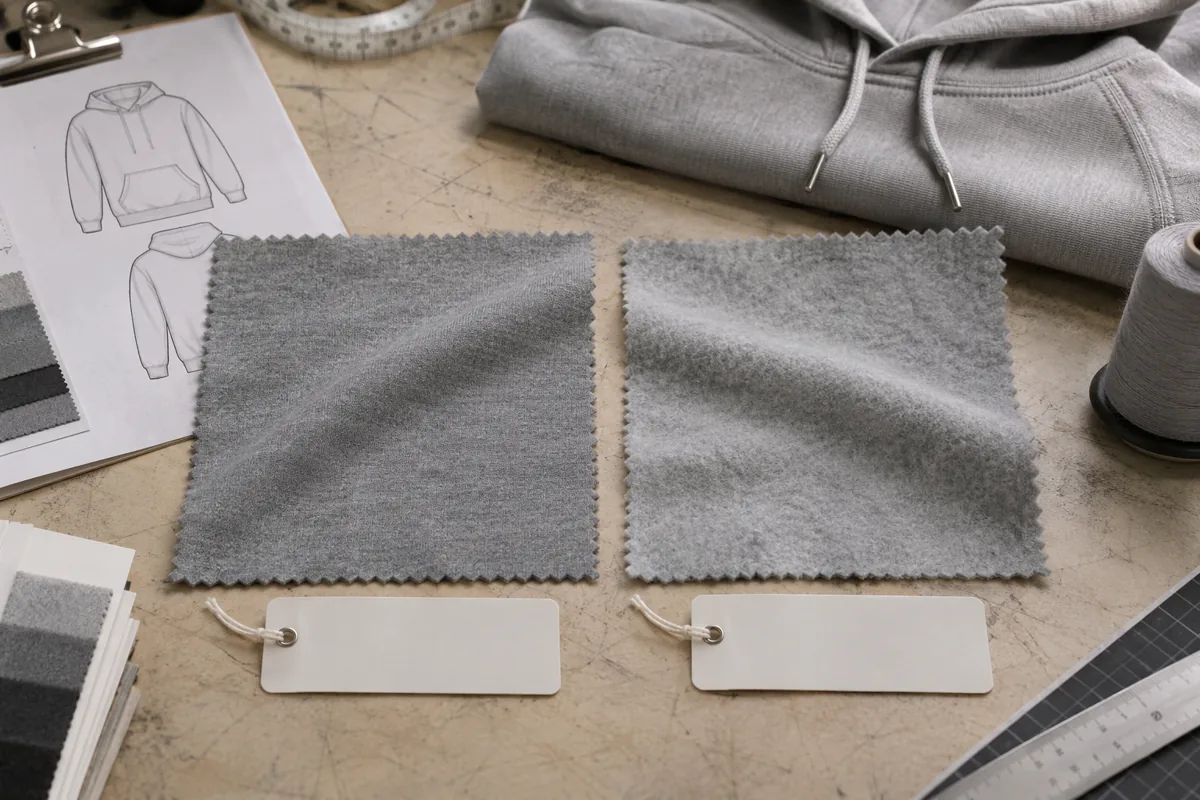
How can purchasing compare equivalent samples?
Hold the pattern, size, measurement method, rib design and care cycle constant as far as practical. Document the shell and rib composition, construction, finished fabric mass per area and finish. Request itemized quotations at the same quantities and specify whether sampling, decoration and independent tests are included.
Check dimensions and appearance at receipt, then after the agreed laundering procedure. Record the exact care method, tolerances and results. If a performance requirement is important, have the supplier and laboratory agree a suitable test and acceptance criteria before the order; a generic material chart cannot replace a project-specific report.
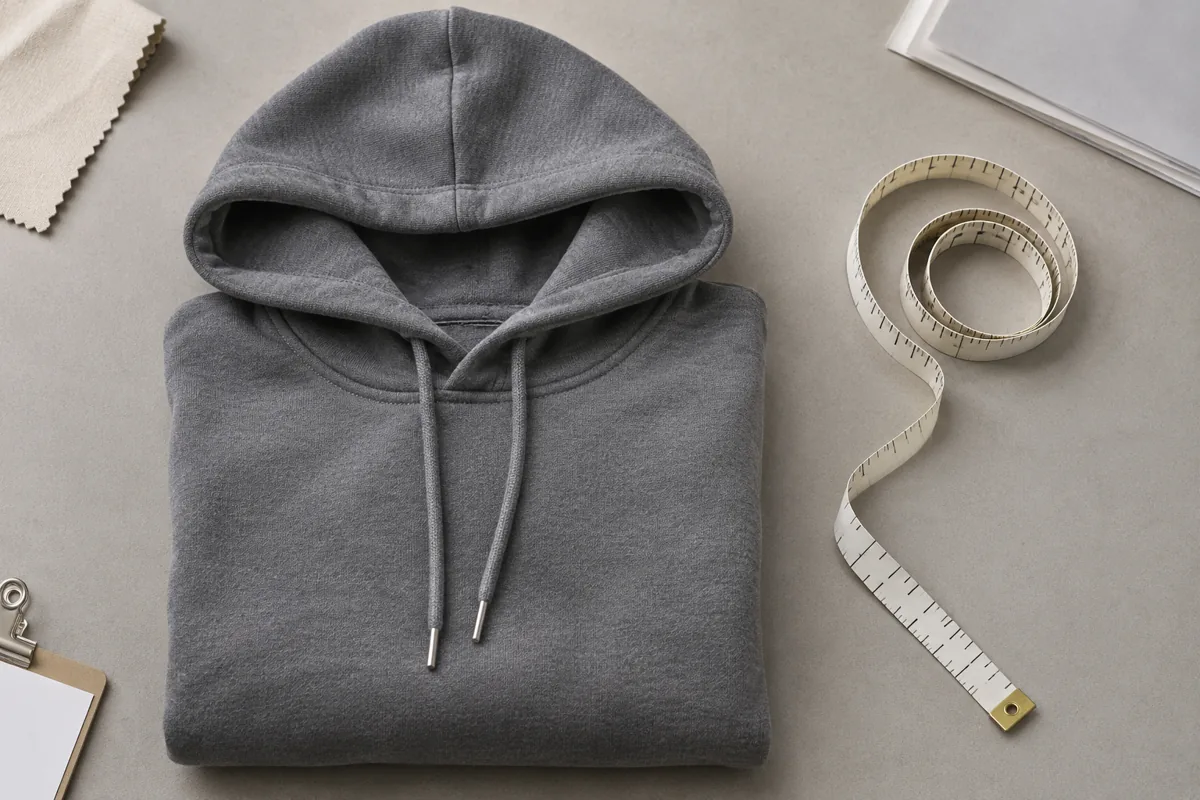
For comparable quotes, specify the same quantities, color, decoration, packaging and delivery basis. Ask each supplier to identify shell and rib composition, knit and finish, and separate stock options from custom development, sample costs and any testing scope.
How should the final specification handle a blend?
A blend is a deliberate material option, not automatically a compromise or an assurance of durability. Document each component's composition and ask how the shell, rib, sewing thread and any trims are intended to behave together during finishing and care. Confirm any change in yarn, mill or finish with a revised swatch and sample.
Keep the signed garment, measurement chart, approved color and supporting test reports together. If the supplier proposes a substitute, compare the complete fabric and finished sample again instead of approving it solely because the same percentages appear on a label. Agree commercial terms and production timing separately.
Archive the approved shell and rib references with the sample size, review conditions, composition declaration, measurements and relevant test reports. On reorder, confirm changes in lot, mill or finish and define who can approve a substitution.
How should the buyer describe the actual wearing requirement?
Start with what the hoodie must do for its intended user: an indoor layer, an outdoor collection or an activity-specific garment can place different demands on feel, appearance and care. Define the target fit and any required performance test before comparing compositions. Ask suppliers to show a complete fabric and garment proposal rather than a generic list of fiber advantages.
Identify which qualities the brand can judge on the sample and which require evidence from a laboratory. A subjective preference for hand is a valid design decision when documented; a claimed moisture-management result requires an agreed method, specimen and acceptance criterion. Neither should be inferred from a swatch label alone.
Why does the same fiber content not guarantee the same hoodie?
Two fabrics with the same declared percentages can use different yarns, knit constructions, face and reverse surfaces or finishing treatments. A brushed fleece and an unbrushed loopback can therefore feel and hang differently even when their fiber labels match. Rib construction and garment pattern add further variables to the finished silhouette.
Request a candidate-specific specification and compare actual swatches on both sides. When making the final garment comparison, control as many variables as practical: body pattern, sample size, rib, color and finishing route. Record remaining differences so the buying team does not attribute a pattern or surface effect to fiber composition alone.
What does moisture absorption mean for a comparison?
Cotton can absorb moisture, while polyester has low intrinsic moisture absorption. A wearer’s experience depends on how a specific fabric and garment handle moisture and air, including construction, fit and any finish. Absorption, wicking and drying are related but distinct observations; a single comparison does not establish all three.
How should a moisture claim be tested?
If the collection has a performance claim, define the use case and ask a qualified laboratory to recommend a suitable test of the actual material. Agree whether testing is needed before and after the specified care process. Review the method and results against your own criteria instead of presenting a supplier's generic fiber claim as a garment result.
How should the sample comparison account for shell and rib?
Request the actual shell and rib intended for each composition option. Compare the waistband and cuff recovery, collar shape and hood behavior with the finished shell. A rib made from a different composition or construction can change the fit and appearance, so it must be identified separately from the body fabric.
Make a record of both components and the seam or trim arrangement in the accepted sample. If the mill substitutes a rib after approval, review the complete garment again. Look for differences in shade and tension after the proposed finish and care cycle, and resolve the issue with a revised reference rather than an informal color description.
How do coloration and decoration choices affect the decision?
Give the supplier the target color, artwork and intended finishing sequence with the material enquiry. Fiber composition influences suitable coloration choices, but the result must be evaluated on the actual construction and process. Ask for a finished sample showing the proposed shade, print or embroidery and its position on the garment.
Record the artwork file, placement and material revision with the sample. Review appearance and hand after the agreed care procedure, and ask a qualified party to identify relevant colorfastness or durability tests when required. A print that looked acceptable on a different fabric is a development reference, not approval for the new material.
When should an alternative composition trigger another sample?
Request a documented review whenever the proposed fiber percentage, yarn, knit, supplier or finish changes from the approved construction. Ask what has changed and whether the change can affect color, hand, decoration, shrinkage, care or labeling. A substitution may be acceptable, but the effect needs to be understood against the brand's own priorities.
Where the change could affect a visible, fit or claim-related requirement, compare a complete finished garment with the retained standard and arrange any agreed testing. Update shell and rib specifications, artwork and approval records together. Do not reuse an earlier test report without confirming that it applies to the changed material.
How should fiber composition and finished fabric be documented separately?
Record the declared fiber percentages for the body and rib, then identify the knit, surface finish, color and garment-processing route. A composition statement answers what fibers are declared; it does not state how the knit was constructed or how the finished hoodie was washed. Those separate identifiers allow a replacement to be reviewed against the actual selection.
Ask which document applies to the proposed lot and which components it covers. Where a label claim matters, establish the verification and record requirements for the intended market with the responsible party. Do not transfer a material declaration from a visually similar product to the new order without confirming its scope.
What should be checked when a fabric feels different from the reference?
Describe the change in observable terms: firmness at the hood, body drape, cuff recovery or surface feel. Compare the samples in the same condition, then check composition, yarn, knit and finish records. A change in one variable may explain the difference, but the team should not assign a cause without evidence.
Request a revised swatch or finished sample if the difference conflicts with the brief. If the supplier proposes a change to resolve it, document the modified input and review any effects on color, fit, decoration and care. The approved choice should be tied to the material used in the final garment, not merely the intended composition.
How can a brand evaluate care and labeling for its market?
Ask the supplier to state the proposed care instructions and the basis on which they were selected. Review the finished hoodie, including decoration and components, under the agreed care procedure. Where testing is needed, identify the method and acceptance criteria with the buyer and laboratory rather than using an unqualified universal shrinkage promise.
Confirm the applicable labeling and disclosure requirements for the destination with a qualified party. Review the fiber information and care wording on the actual label proof before components are ordered. A sample or report should identify the construction and finish to which it relates, so a later substitution does not silently invalidate the review.
How should a mixed-fiber alternative be compared commercially?
Ask suppliers to itemize the proposed shell and rib references, percentages, finish, quantities by color and the commercial conditions applying to each. A blend with a different knit or processing sequence is not an isolated comparison of fiber percentages. Record material availability and the development needed to reach the intended color and silhouette.
Use an equivalent finished garment to review fit, hand and decoration. Evaluate price and schedule only after clarifying which product is included in each offer. If a blend is proposed to address supply or timing, decide explicitly whether its sample meets the collection priorities and whether revised testing or labeling is required.
Compare cotton, polyester and blends for the hoodie brief
| Decision point | Cotton | Polyester | Cotton / polyester blend |
|---|---|---|---|
| Fiber family | Natural cellulosic fiber. | Manufactured synthetic fiber. | Contains both fibers in declared proportions. |
| Moisture starting point | Cotton can absorb moisture. | Polyester has low moisture absorption. | Performance depends on the proportion, construction and finish. |
| Supplier information | Confirm shell and rib composition and knit. | Confirm shell and rib composition and knit. | Confirm percentages separately for shell and rib. |
| Sample decision | Check hand, shape and care against the brief. | Check hand, shape and care against the brief. | Check the actual blend and finish; percentages alone do not establish performance. |
Choose the candidate against a stated use: compare hand and appearance on the intended garment, and specify a suitable test if moisture handling or care performance matters. Request the same pattern, size, color and decoration where feasible. The blend percentage is one input, so approve the complete fabric and finished sample rather than extrapolating a result from composition alone.
Frequently asked questions
Is a cotton hoodie always more breathable?
No universal conclusion follows from fiber alone. Construction, garment fit and finishes also influence air flow and comfort.
Can a polyester blend contain cotton?
Yes. Request the declared percentages for each component and check any claim against the actual supplied material.
Which composition is best for printing?
There is no single answer for all techniques. Test the proposed decoration on the intended finished fabric and evaluate it after the agreed care cycle.
Sources and next steps
CottonWorks: Textile Fibers Booklet
CottonWorks: Quality Assurance Basics
AATCC: Textile Test Methods
For a project-specific discussion, send the desired garment, fabric references, measurements, intended finish and quantities. Confirm materials, testing and commercial terms in the quotation.
Explore custom hoodie manufacturing · Review the HD-001 hoodie reference
Related articles
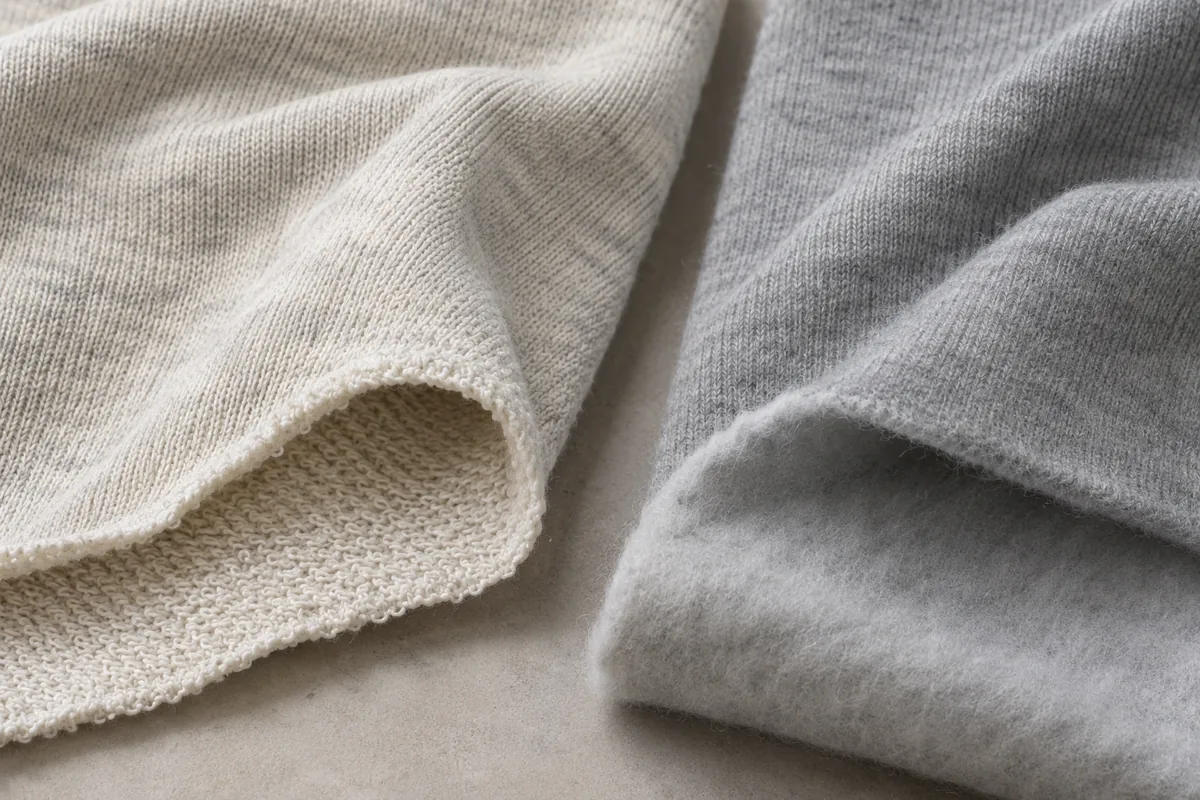 French Terry vs Fleece: How Should Streetwear Brands Choose Hoodie Fabric and Approve the Finished Sample?
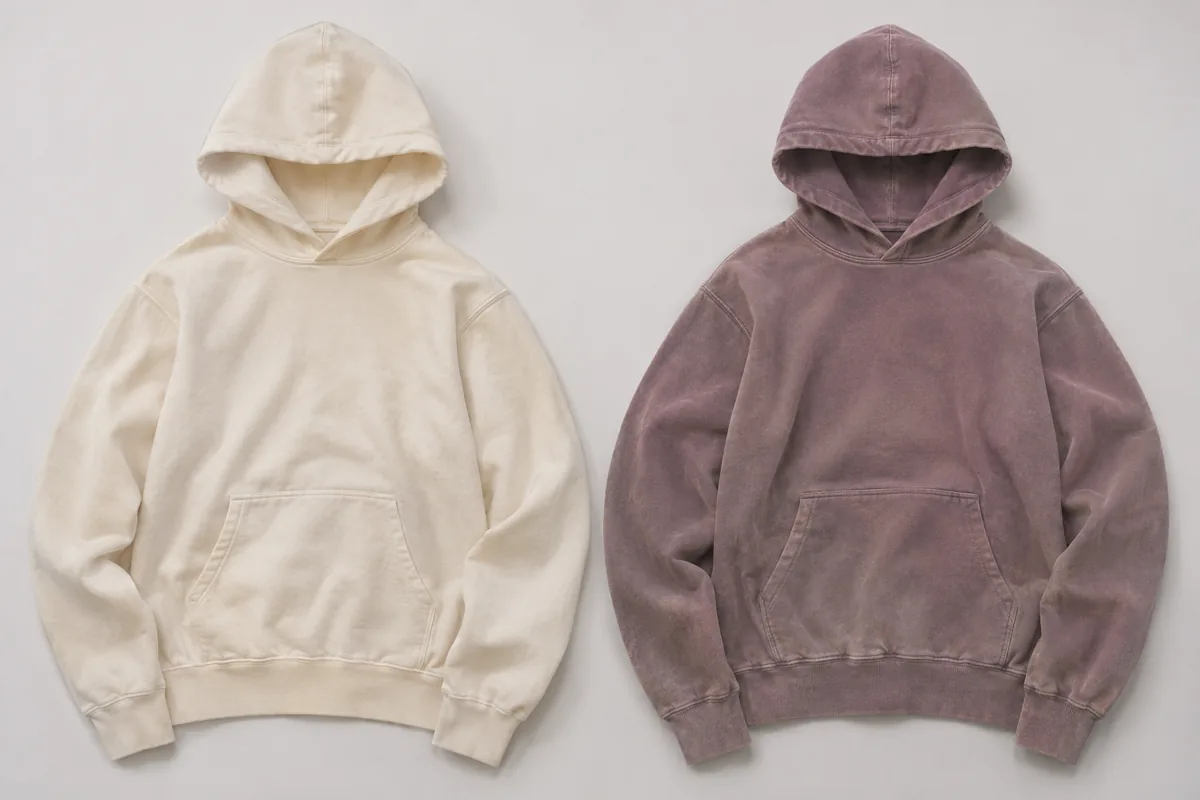 Garment Dyed vs Pigment Dyed: What Should Streetwear Brands Specify and Approve Before Bulk Production?
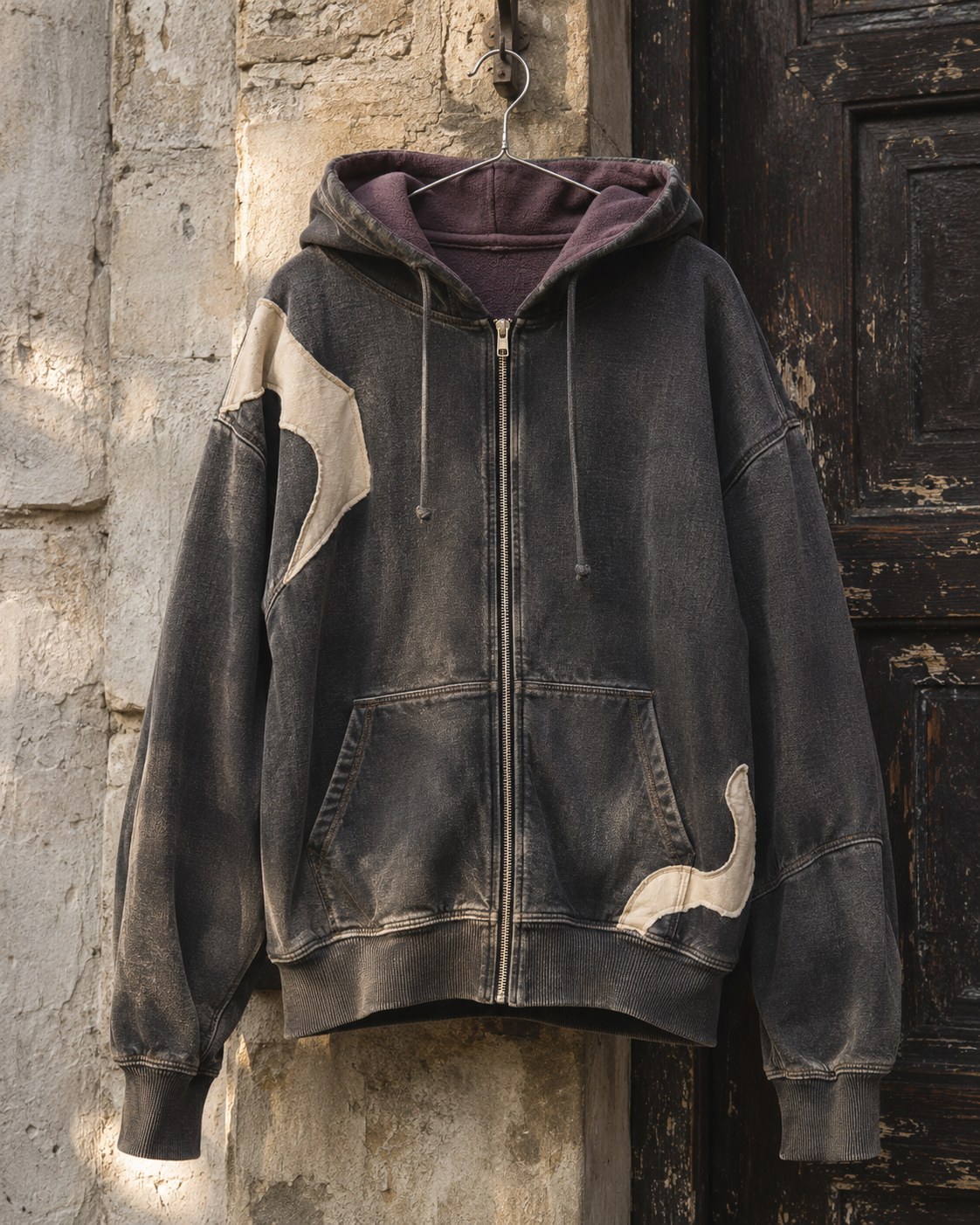 Vintage Hoodie Manufacturers: What Should a Streetwear Factory Approve Before Bulk Production?
 Fabric GSM for Structured Luxury Streetwear: How Should Brands Verify the Finished Garment?