
Brand founder EXAMPLE
★★★★★
“Having one marked size chart made it easier to explain the fit changes we wanted for the next sample.”
Prepare the pattern and fabric for cutting with the intended fit and post-wash measurements in mind.
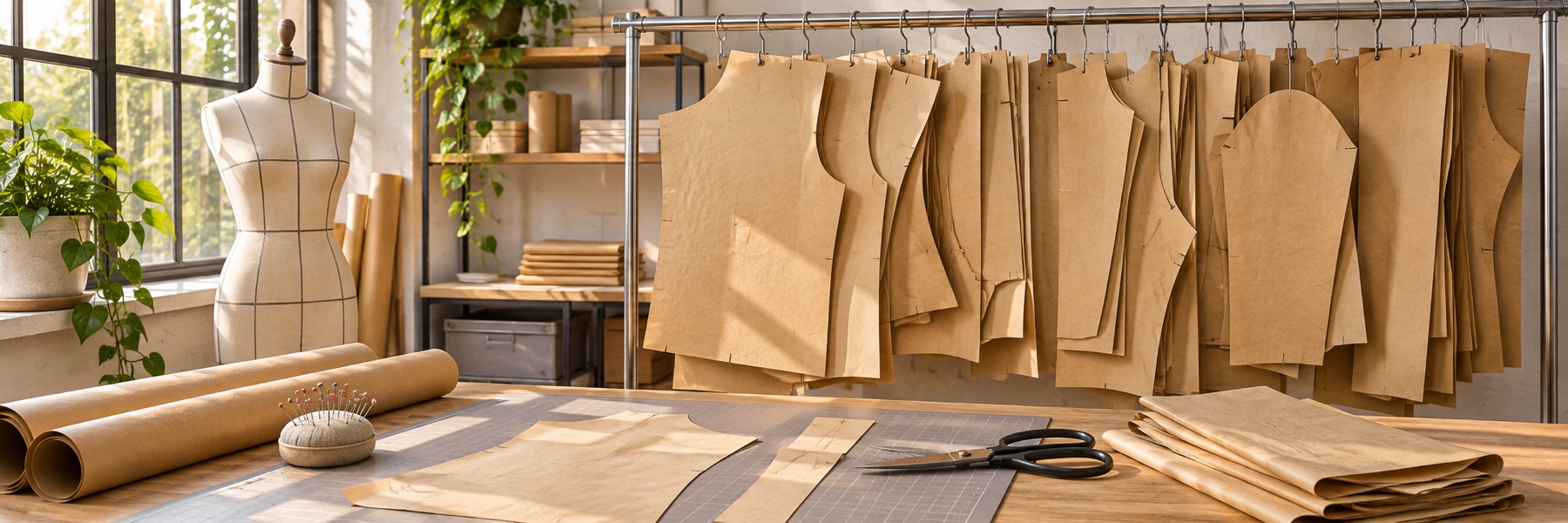
Work with a streetwear design manufacturer on the drawing, size chart and intended wash before bulk cutting. During streetwear development, approve a pattern revision and finished sample. Ask your custom streetwear menswear manufacturer to keep the same measurement points across sizes.
A men's tshirt manufacturer needs the reference garment, size chart and intended finish to assess the finished silhouette.
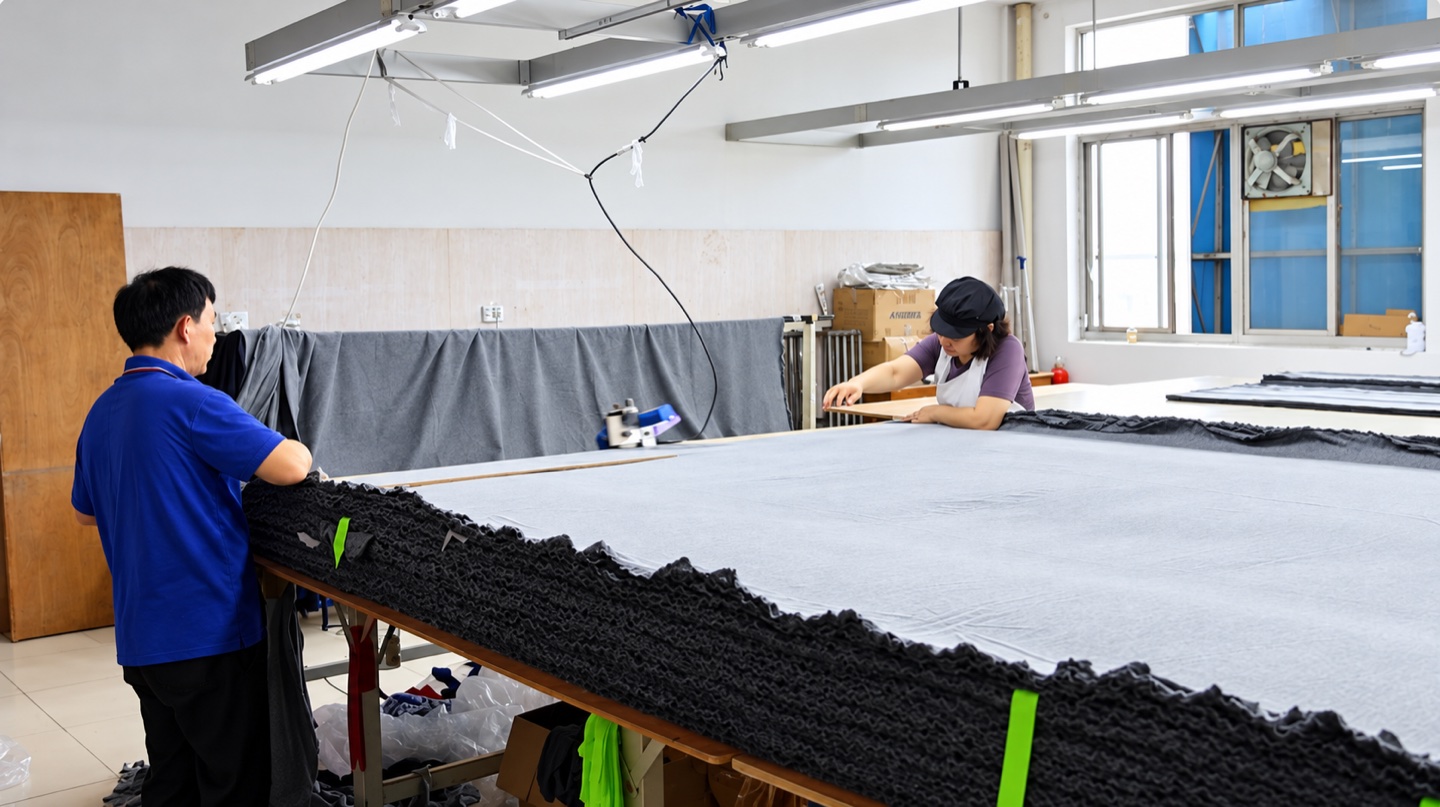
Compare the cutting plan for material use, setup time and the risk of mismatched panels. Mark paired pieces, notches, directional fabric and placed graphics so the team can review potential errors before cutting.
Ask how the proposed cutting method will control variation across sizes and repeated panels. Keep the approved pattern revision with the order; when the fabric or wash changes, review the dimensions before committing material to bulk cutting.
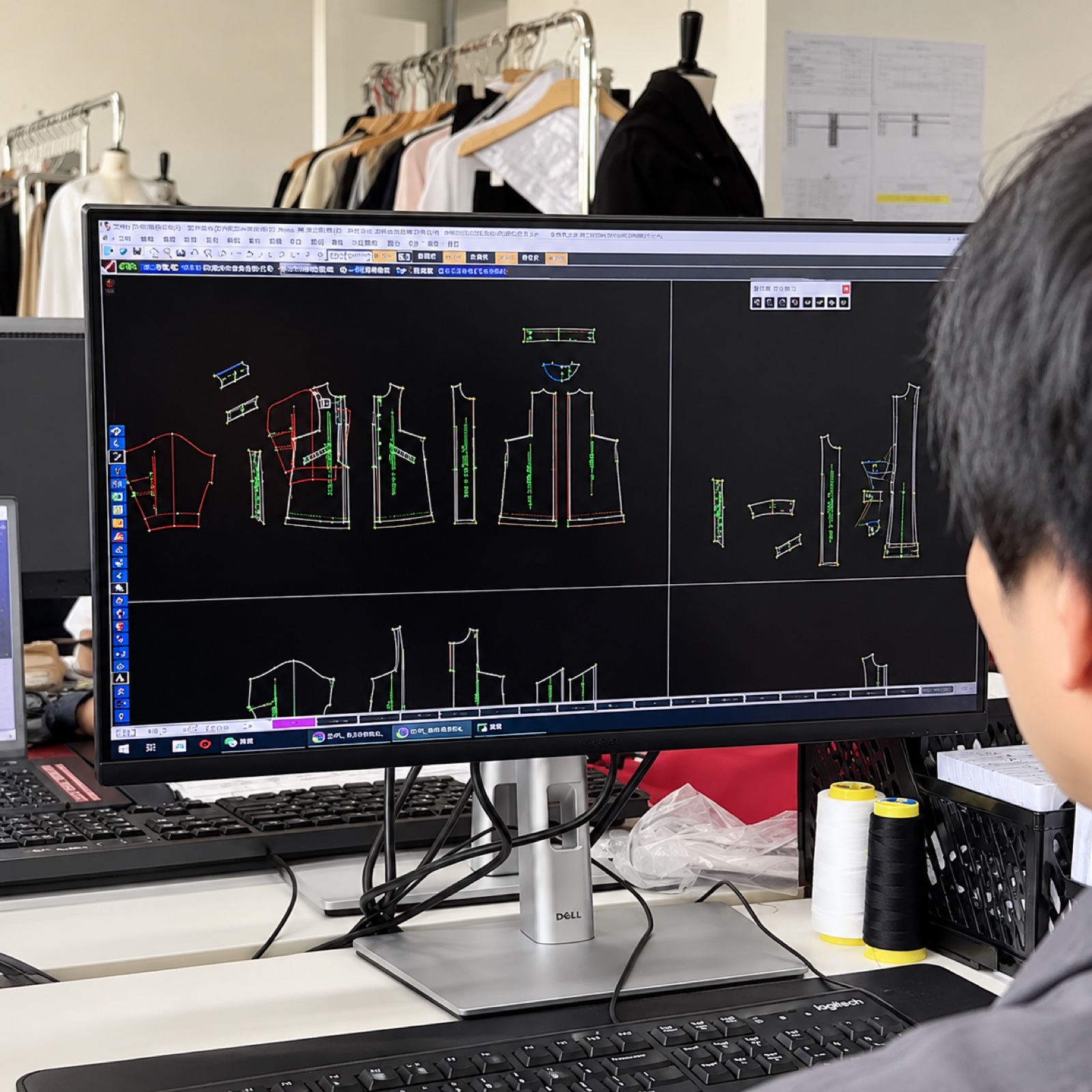
An expert pattern maker translates a streetwear reference into shoulder position, chest volume, sleeve shape and balanced panels. Review how the proposed pattern recreates the intended silhouette, then record each revision against the same measurement chart.
Check the sewn and washed sample to confirm how the pattern performs on the selected fabric. Ask how laser cutting technology and automated cutting systems would suit the material if your brief requires them; the actual equipment and process must be confirmed for the order.
Coordinate pattern approval, material availability and the finishing plan before confirming the order schedule. Ask how changes to style, size quantities or the wash route will move through sampling, cutting and sewing, and which approvals are needed before the next stage.
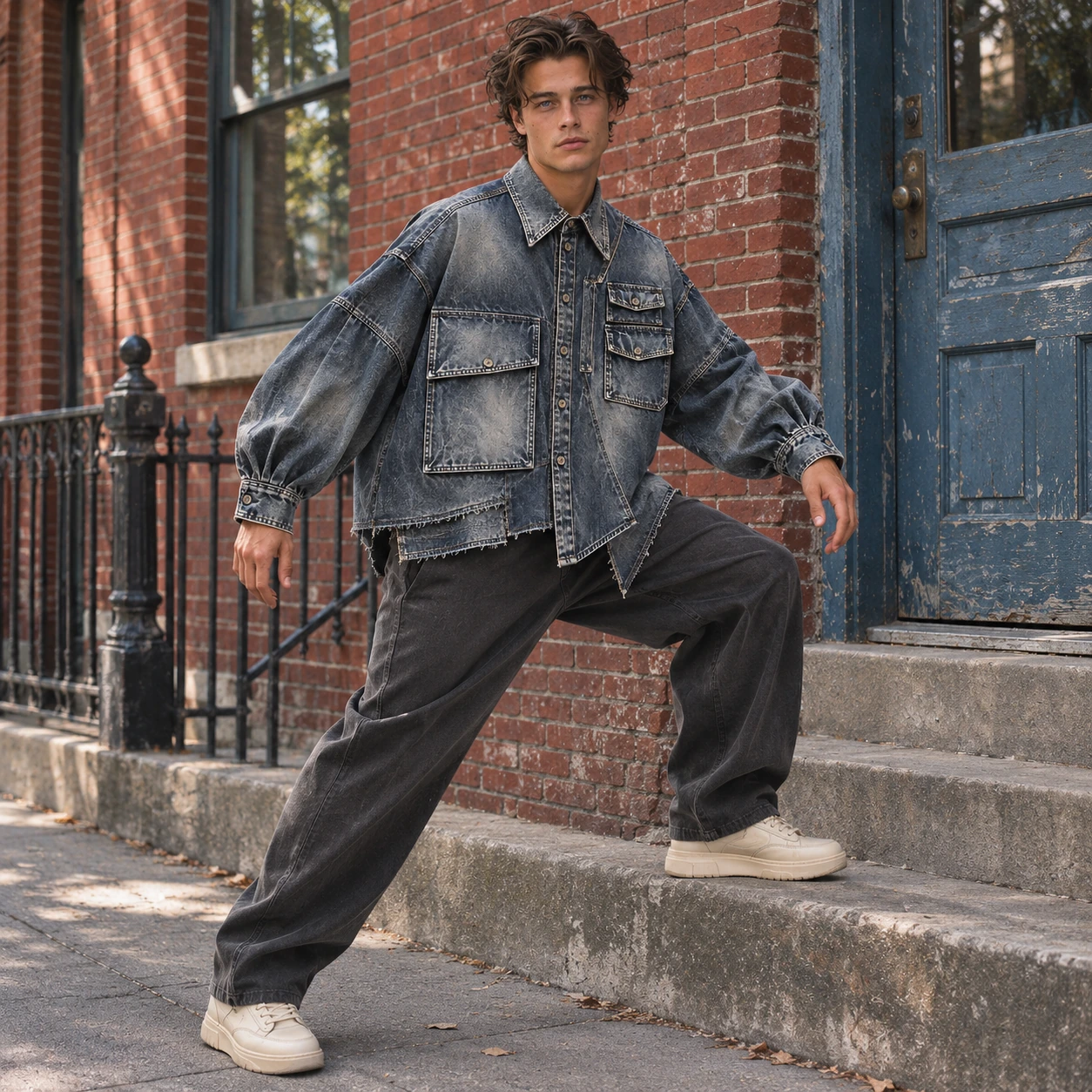
When comparing a Vintage Streetwear Factory, review its proposed revision and handoff process alongside the finished garment. Keep the approved pattern, measurements and wash reference together so a change can be assessed before bulk release.
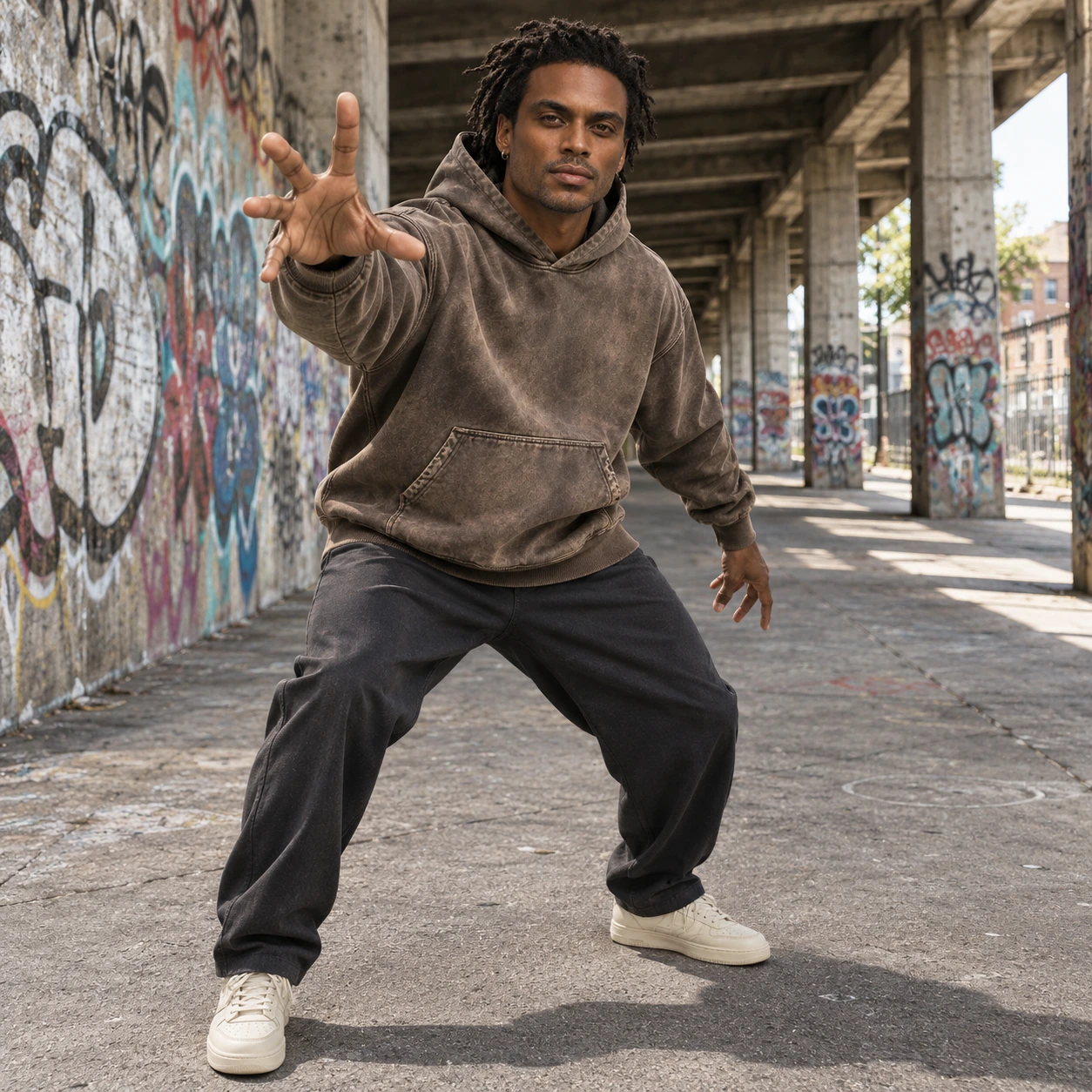
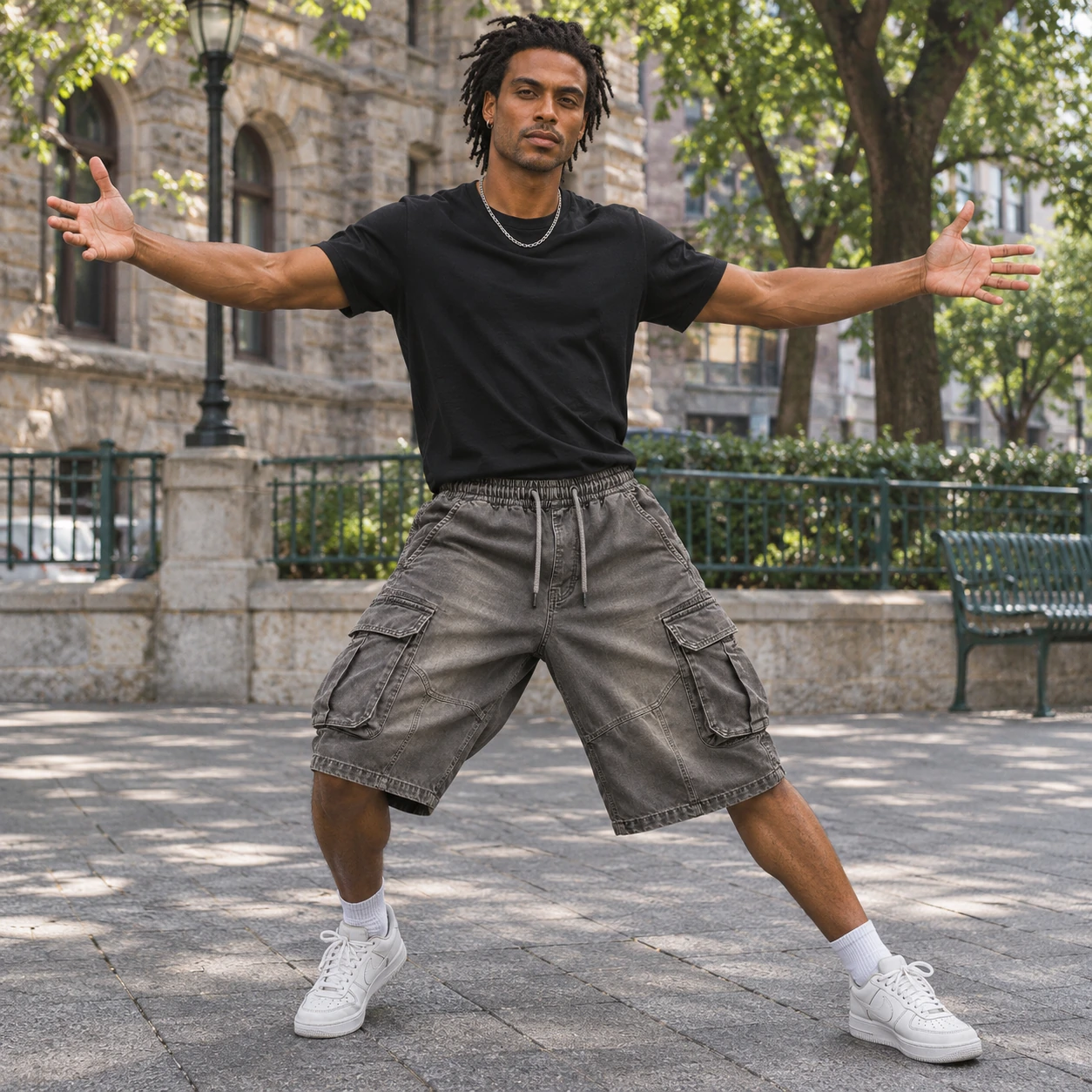
Layout examples only — fictional quotes and ratings, not verified customer reviews.

★★★★★
“Having one marked size chart made it easier to explain the fit changes we wanted for the next sample.”

★★★★★
“Reviewing the pattern and washed sample together helped us describe the shoulder and body proportions.”

★★★★★
“Keeping the sample comments with the approved revision gave our team a clearer reference for the next discussion.”
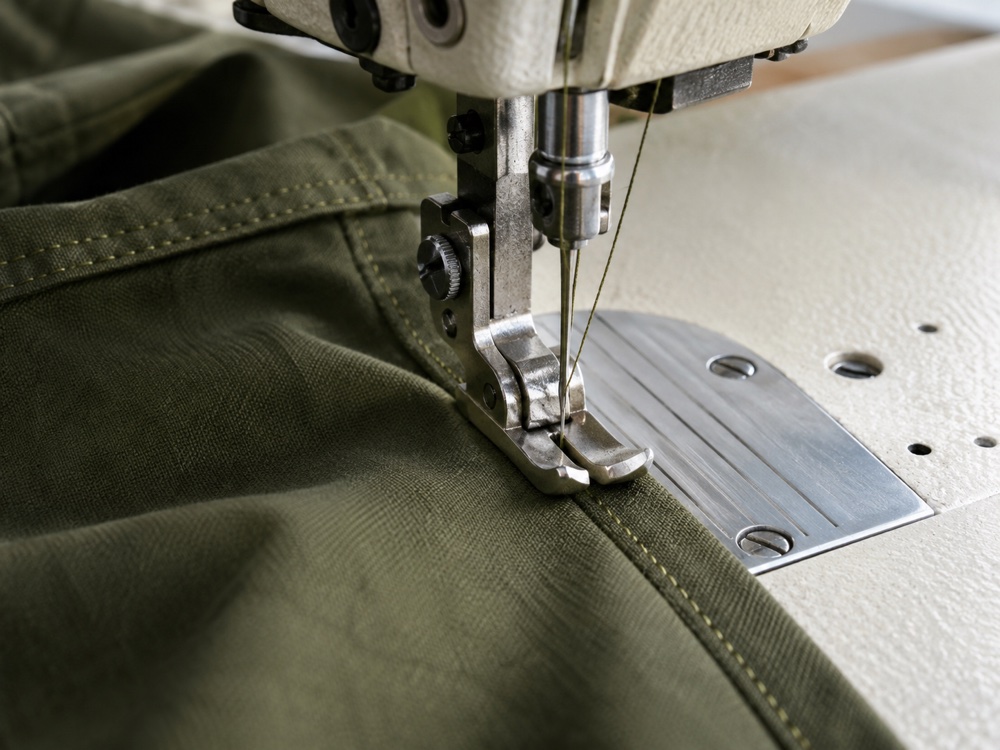
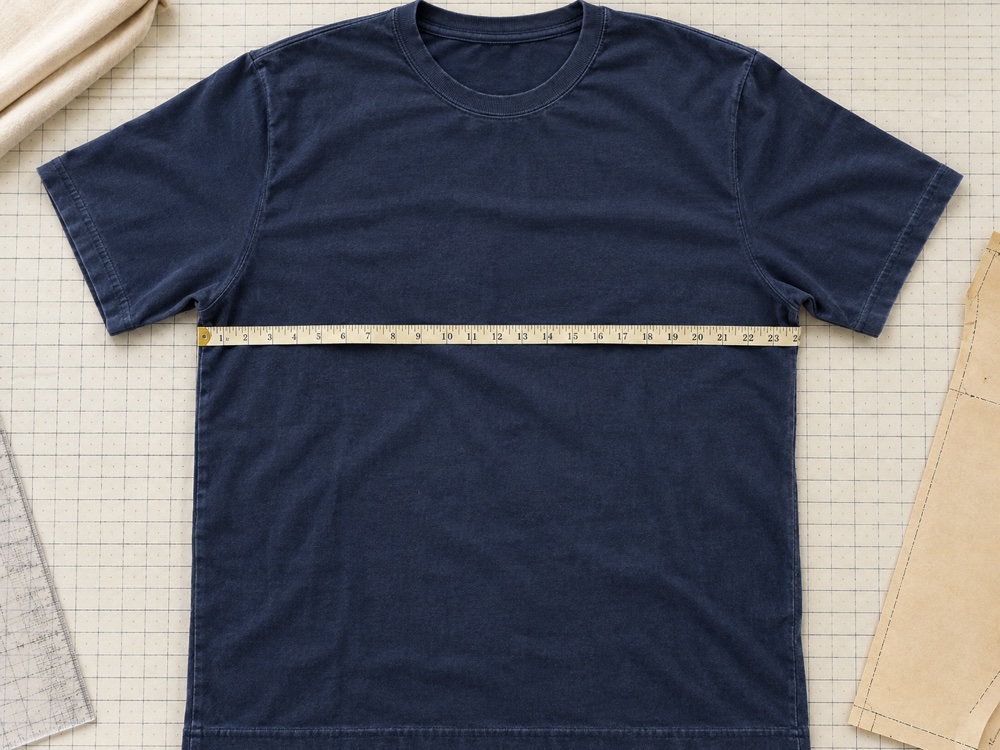
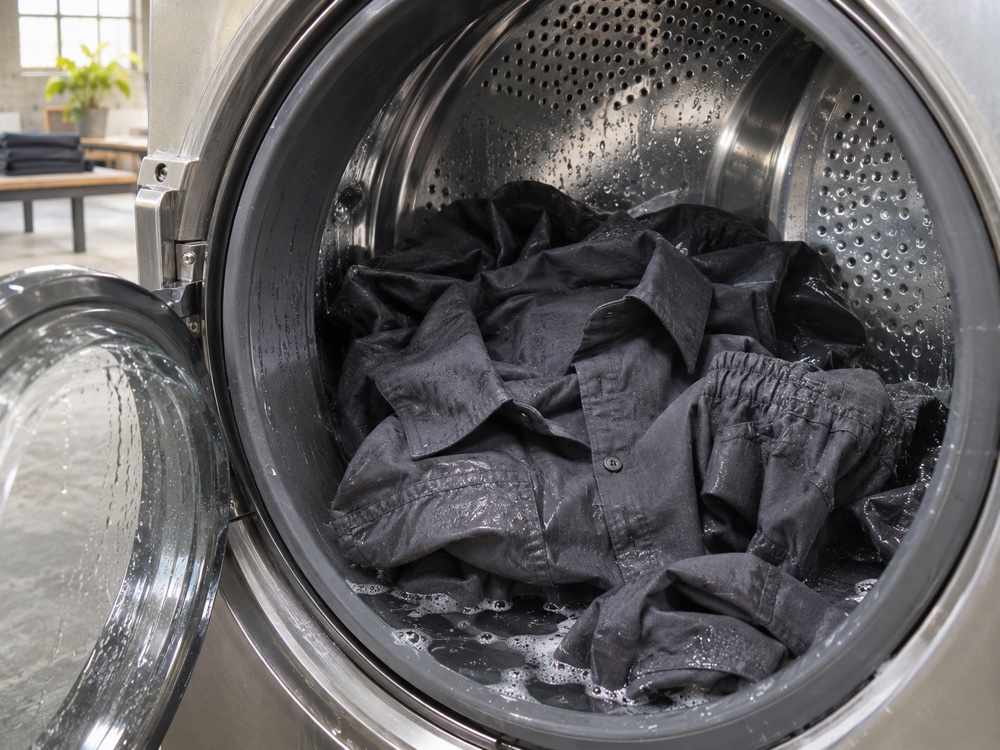

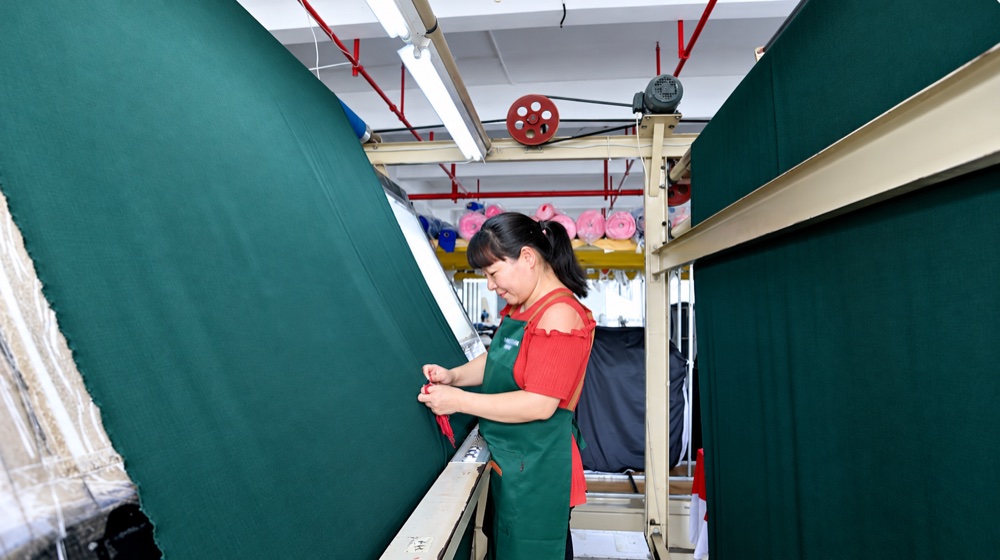
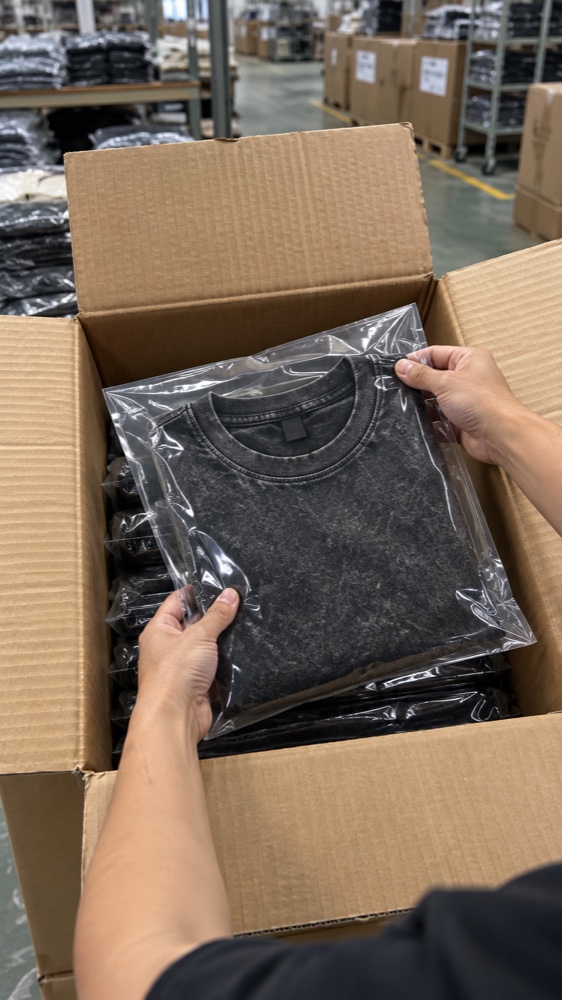

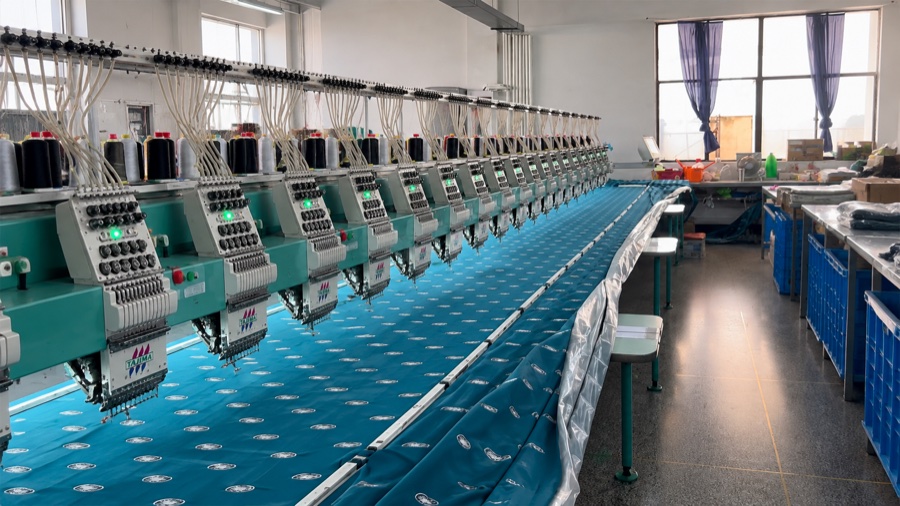

Bring a drawing or reference garment, graded size chart and intended wash to discuss pattern development and cutting.