
Combining Comfort and Brand Expression
Review the hand feel and how the fabric hangs in the intended silhouette.
Discuss this material requirement →Evaluate the base fabric and its washed finish together before committing to bulk material.
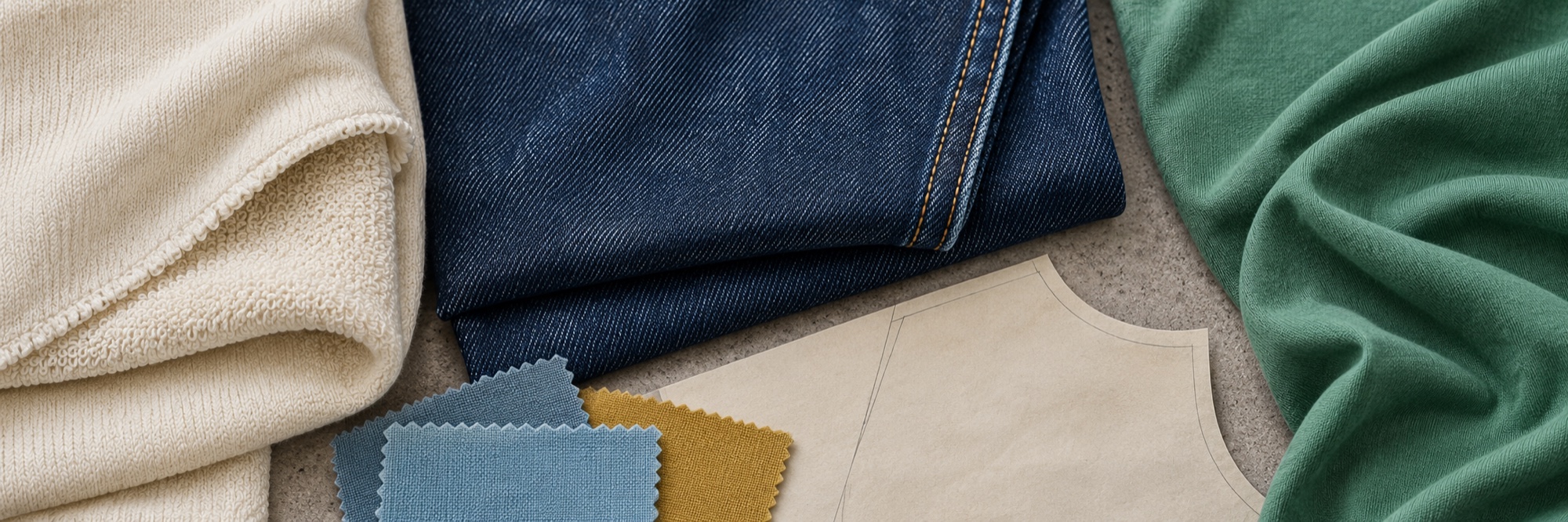
Compare comfort, visual character and the material specification before choosing a base for your wash and artwork. Choosing the best fabric for streetwear means comparing streetwear fabrics against your silhouette, artwork and intended wash with the streetwear manufacturer. Fabric Selection For Streetwear Brands begins with an agreed swatch and garment sample, not the material name alone.
Review the hand feel and how the fabric hangs in the intended silhouette.
Discuss this material requirement →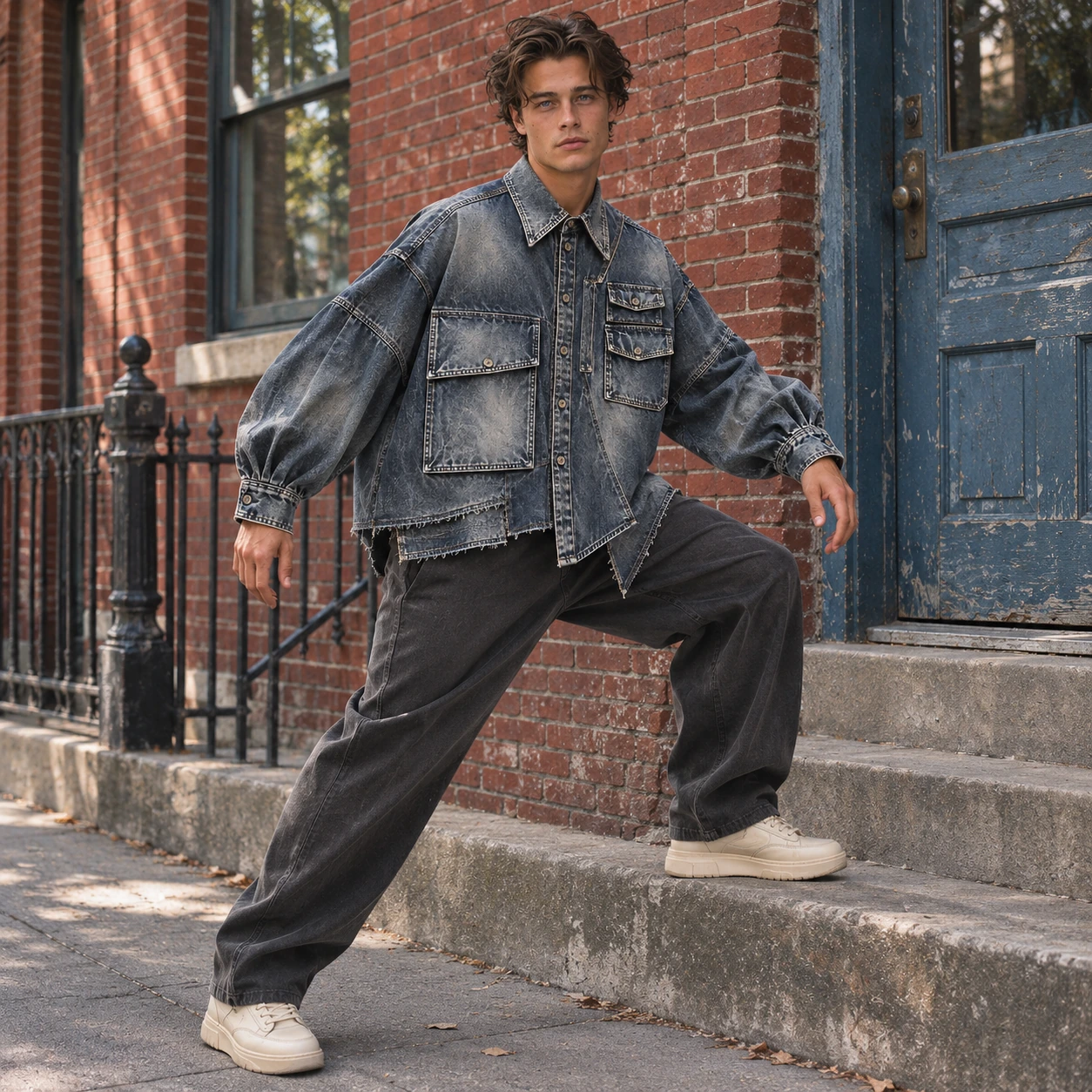
Compare texture, base shade and the finish that gives the collection its look.
Discuss this material requirement →
Set composition, weight, care and any documentation requirements at the sourcing stage. For sustainable fabrics for clothing, state the sourcing evidence or certification you require; availability and documentation must be checked for the selected material.
Discuss this material requirement →Actual availability, specifications and performance must be confirmed for the selected fabric.
Start with the collection silhouette, intended wearer and visual direction. Compare the proposed fabric for texture, handle and drape, then assess how it supports the brand’s garment shape and artwork.
Bring a physical reference where possible. Mark where the shade may vary and which visible surfaces should stay closer to the target. Confirm the proposed sequence for washing and decoration on the chosen base.
Review a washed sample →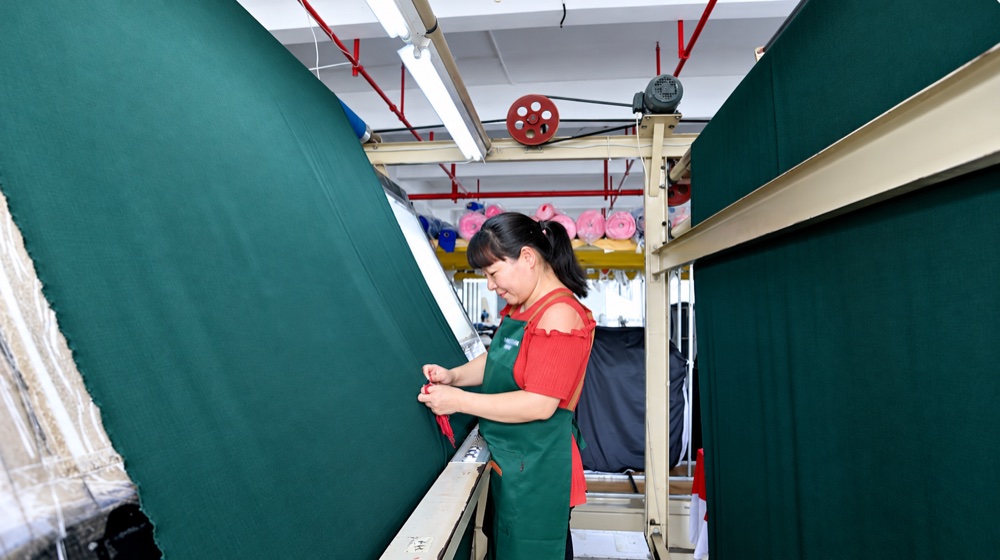
Record the proposed composition, weight and shade, and state whether each value refers to the base cloth or the finished garment. Keep the swatch and approved sample together so a later substitution can be assessed against the same reference.
For certified or performance materials, request documentation that applies to the actual material under review. Confirm the available quantity, the finish and any testing needed for your order before bulk approval.
Plan the material requirement for your order →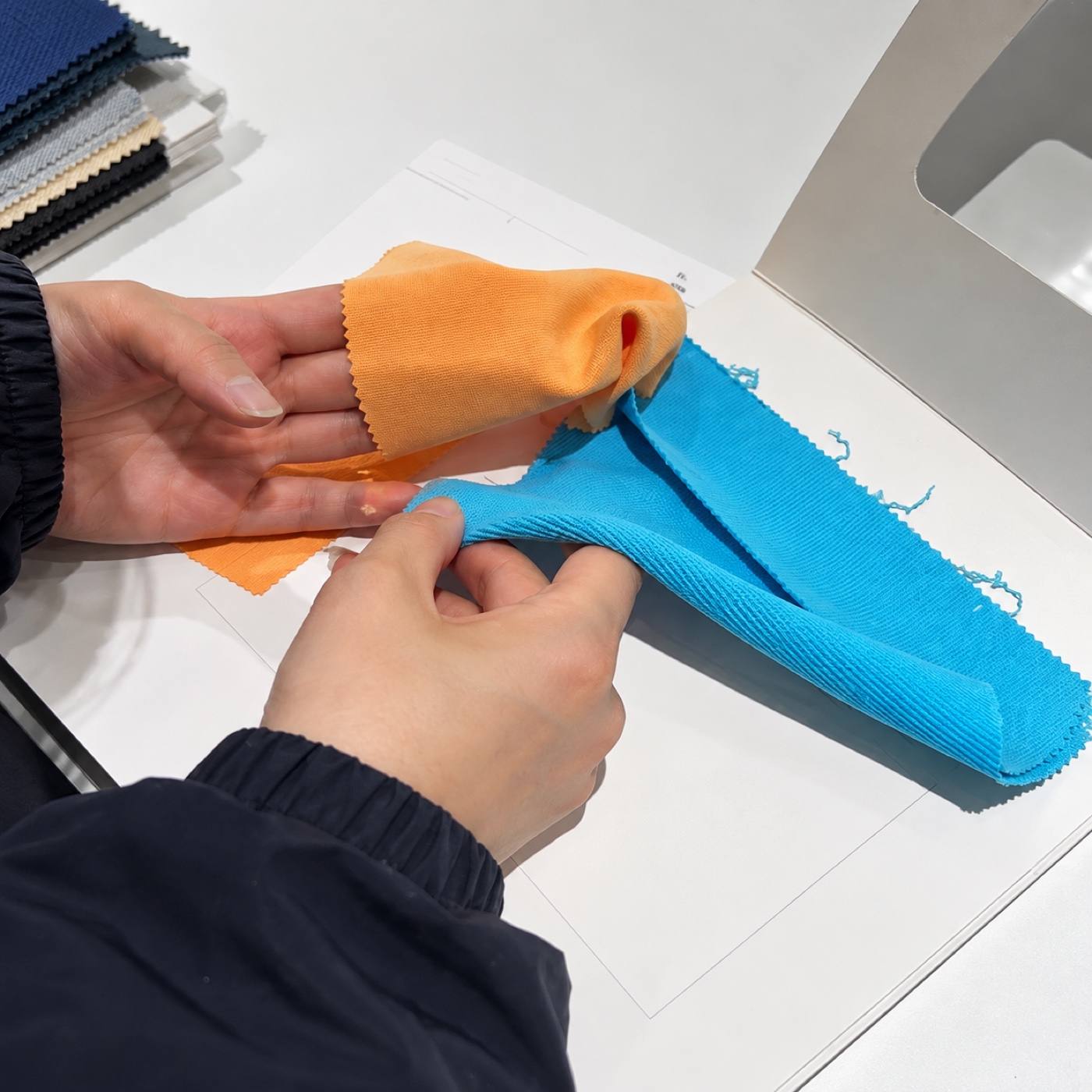
Plan materials across the collection, identifying shared bases and any style that needs a separate fabric or finishing route. Confirm proposed composition, weight, available quantity and shade against physical swatches from the relevant lot.
For environmental or recycled-material requirements, specify the sourcing documentation and scope you need. Review substitutions and lot changes before bulk; if a material changes, approve the finished sample again rather than assuming the same result.
Discuss the fabric lot and wash trial →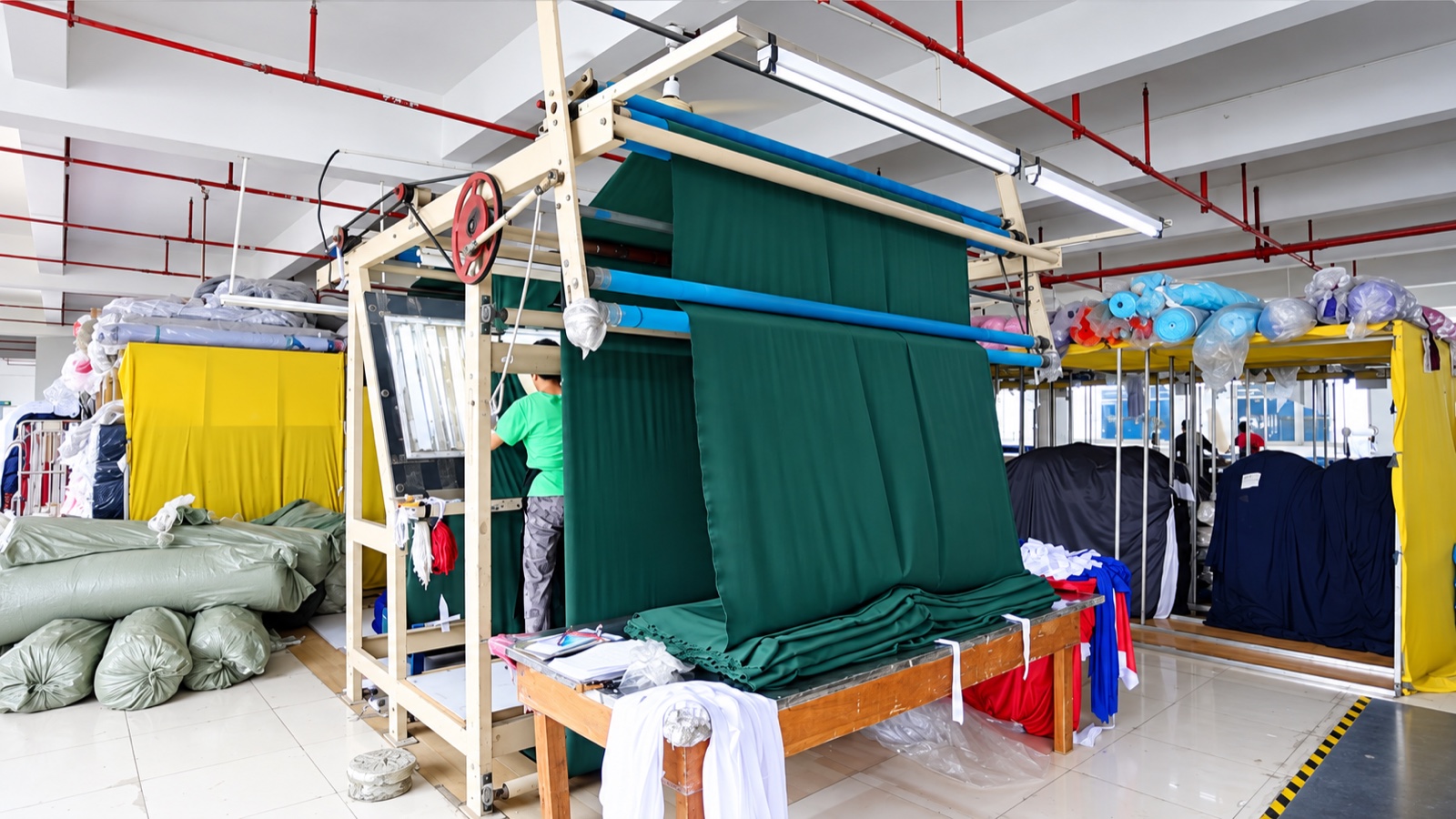
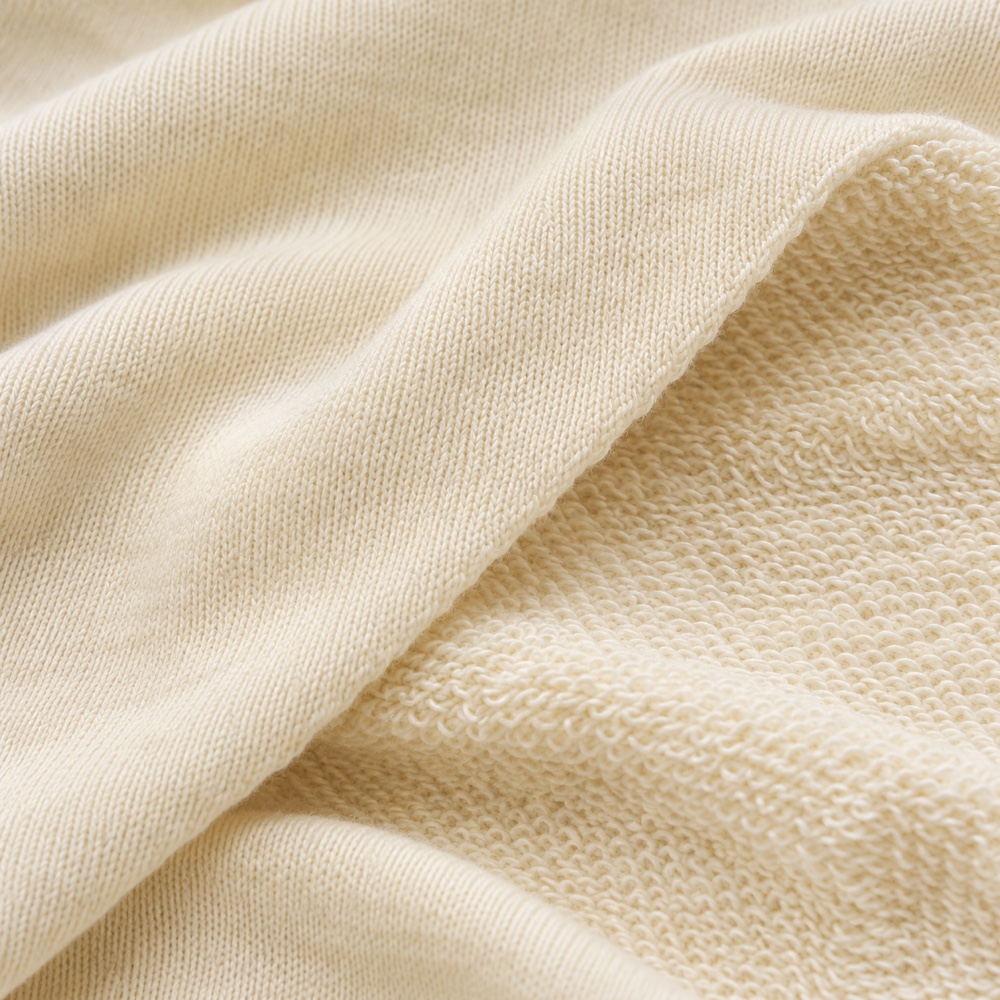
The looped reverse and smooth face create two different surfaces to review. For a hoodie, compare the body with the rib and hood construction. Ask for the proposed composition and weight, then check the hand feel and dimensions after the intended wash.
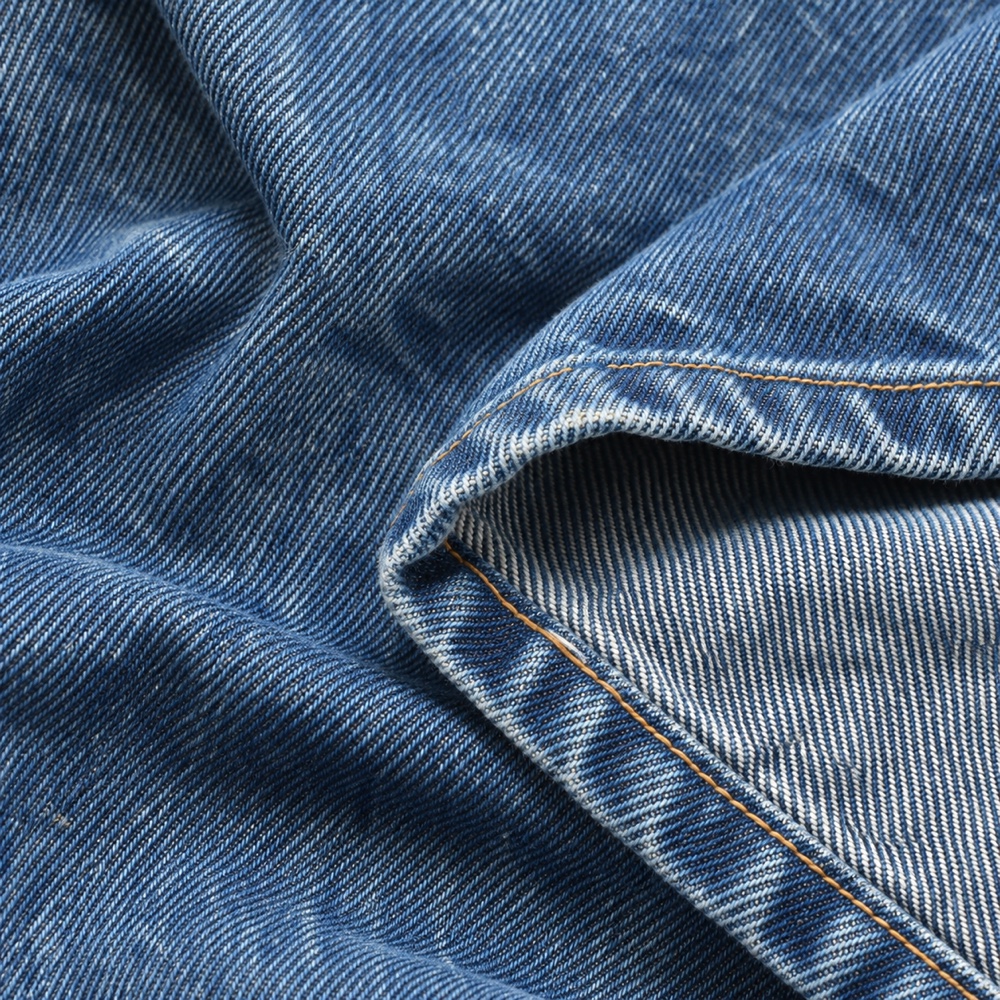
Look at the twill, the base shade and how contrast develops at seams and pockets. Discuss the desired drape and stretch for the jeans. Approve the wash appearance and finished measurements on the same sample before confirming the material.
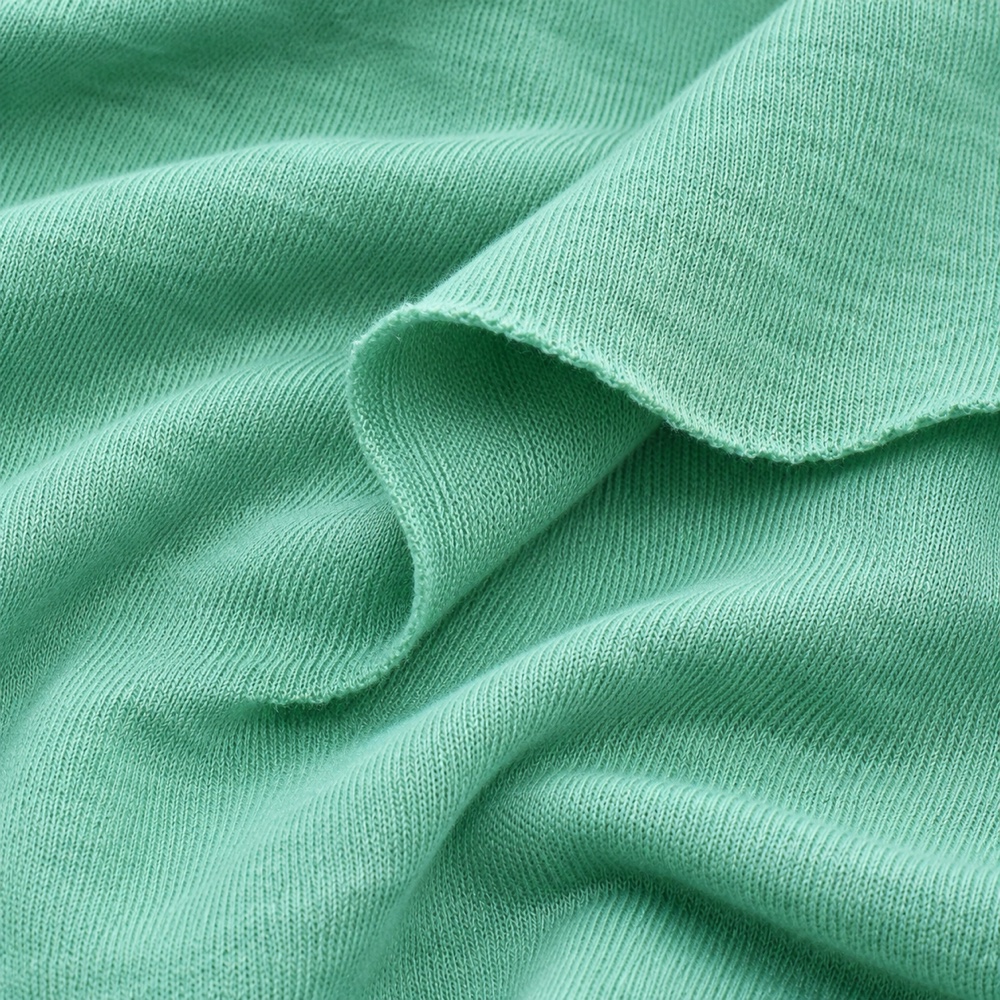
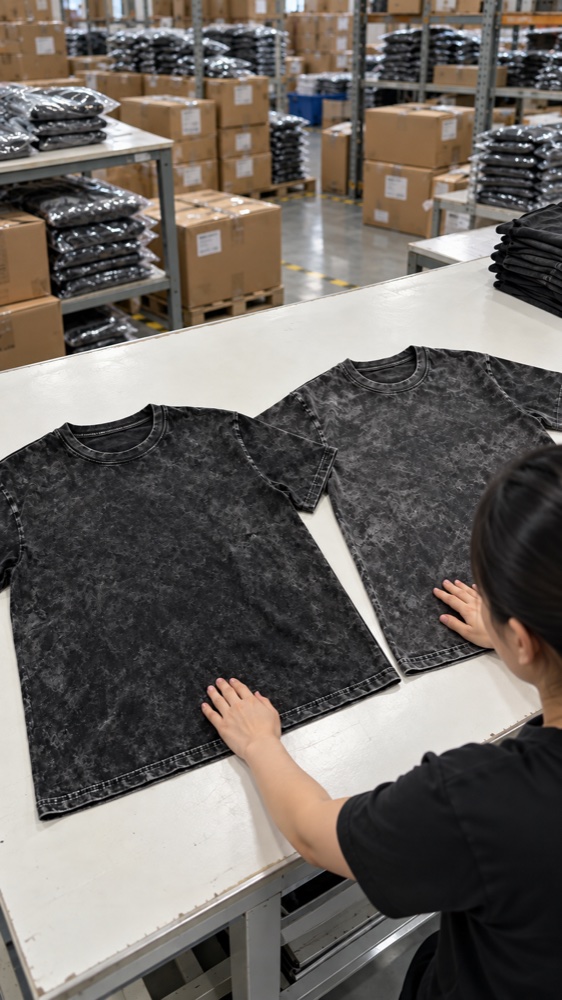
Assess drape across the body, recovery at the neckline and the surface under artwork. A swatch helps compare texture; a finished T-shirt shows the relationship between construction and wash. Confirm composition and weight from the proposed material specification.
Use these material references to prepare a brief. Confirm sourcing and finish compatibility for each proposed option.
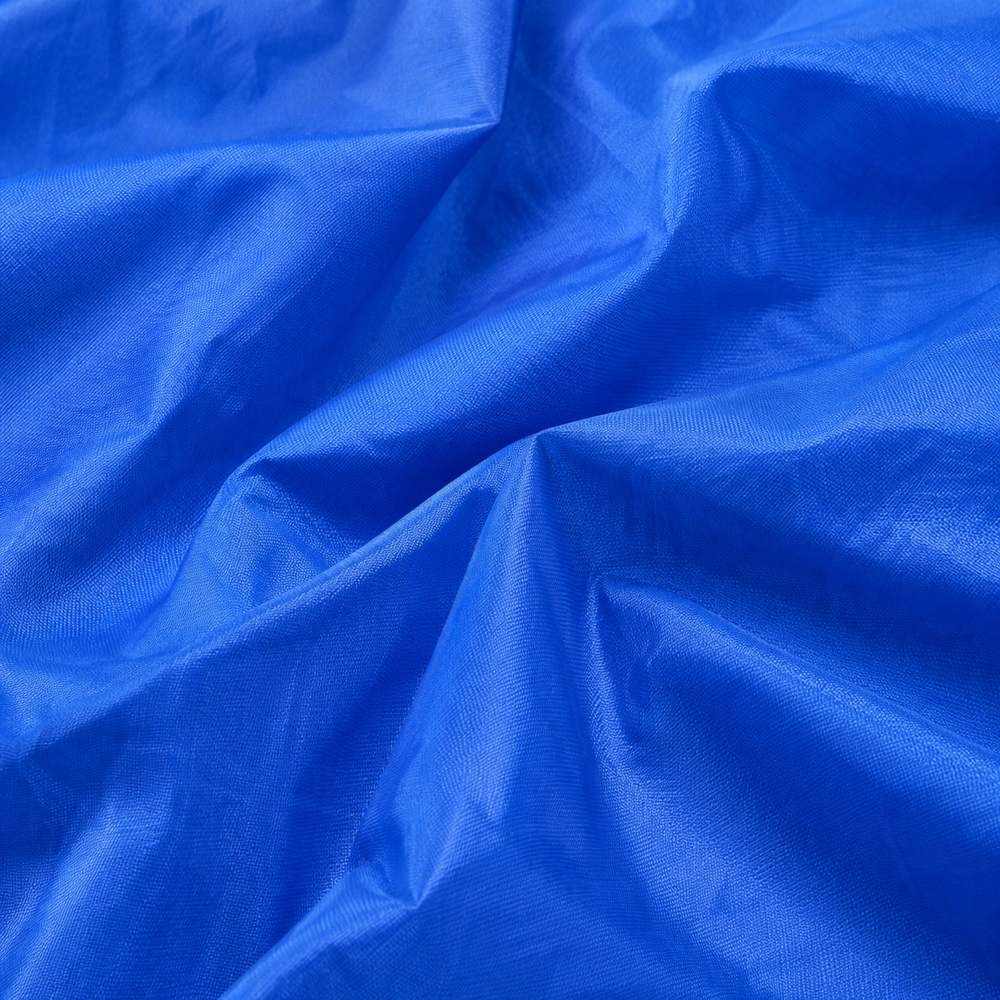
For lightweight outerwear, assess the handle, surface finish and seam construction. Request the relevant test evidence if water or wind resistance is part of the brief; the material name alone does not establish that performance.
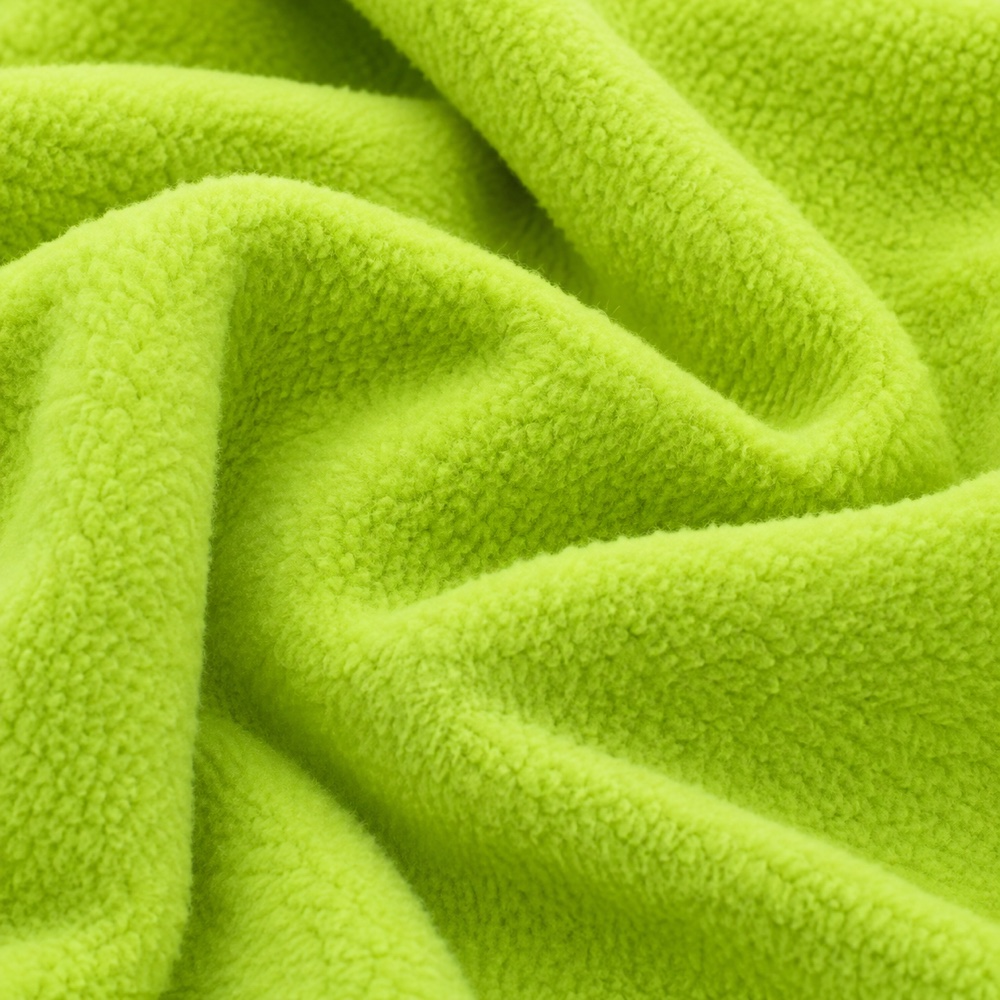
Compare pile density and surface feel for hoodies, jackets or lining. Review how the selected fabric behaves at seams and under decoration. Ask whether the intended wash is appropriate for the proposed fleece.
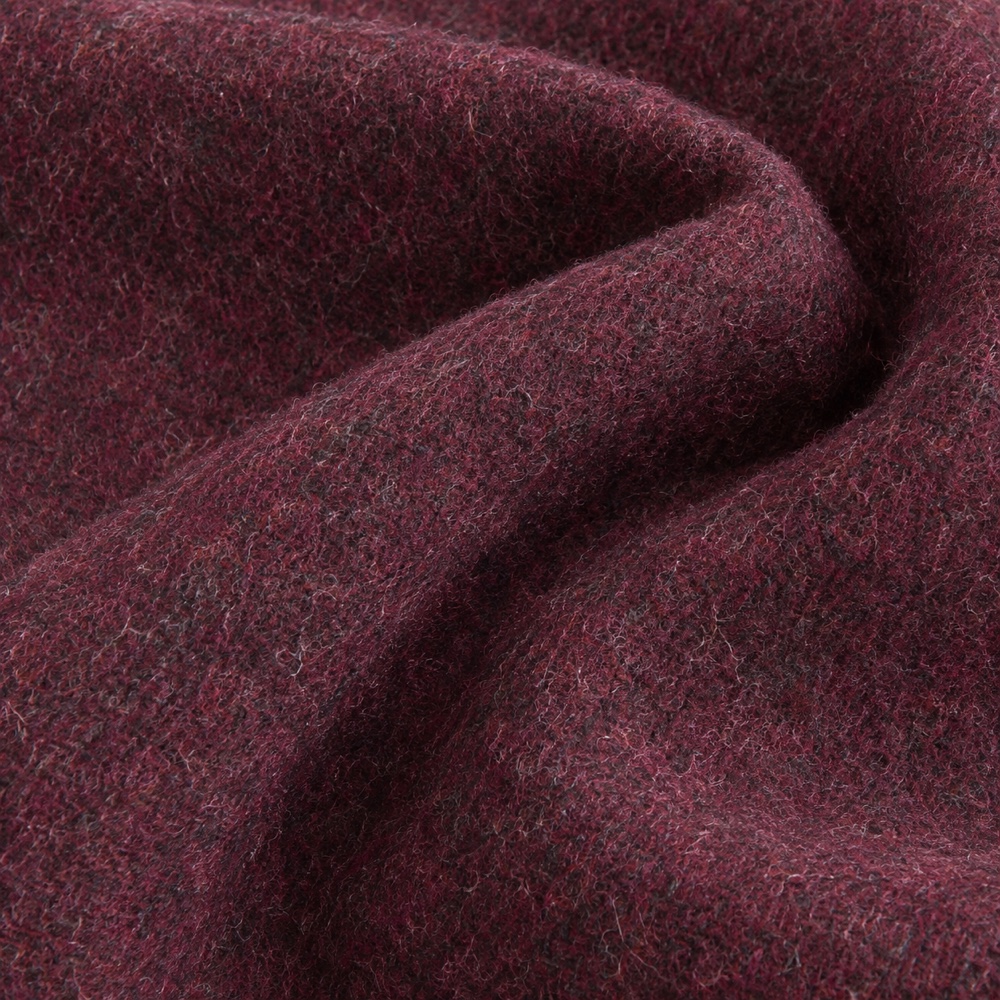
For a coat or jacket, review the composition, surface texture and drape on a swatch. Check care and finishing requirements before selecting a wash or decoration, particularly where the design combines different materials.
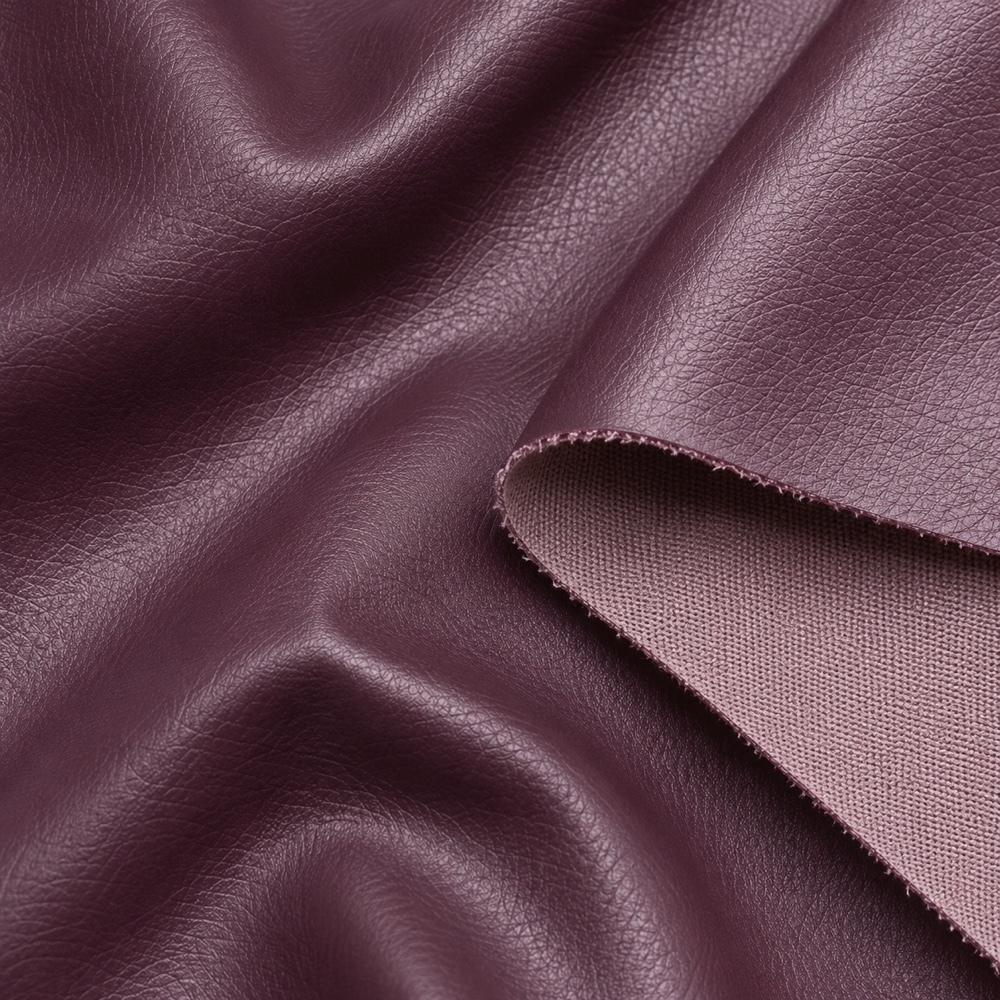
Compare the coated face, backing and edge appearance for a jacket or panel. Review folding, seam and trim details on a sample. Confirm care requirements and suitability for the intended finish before approving the material.
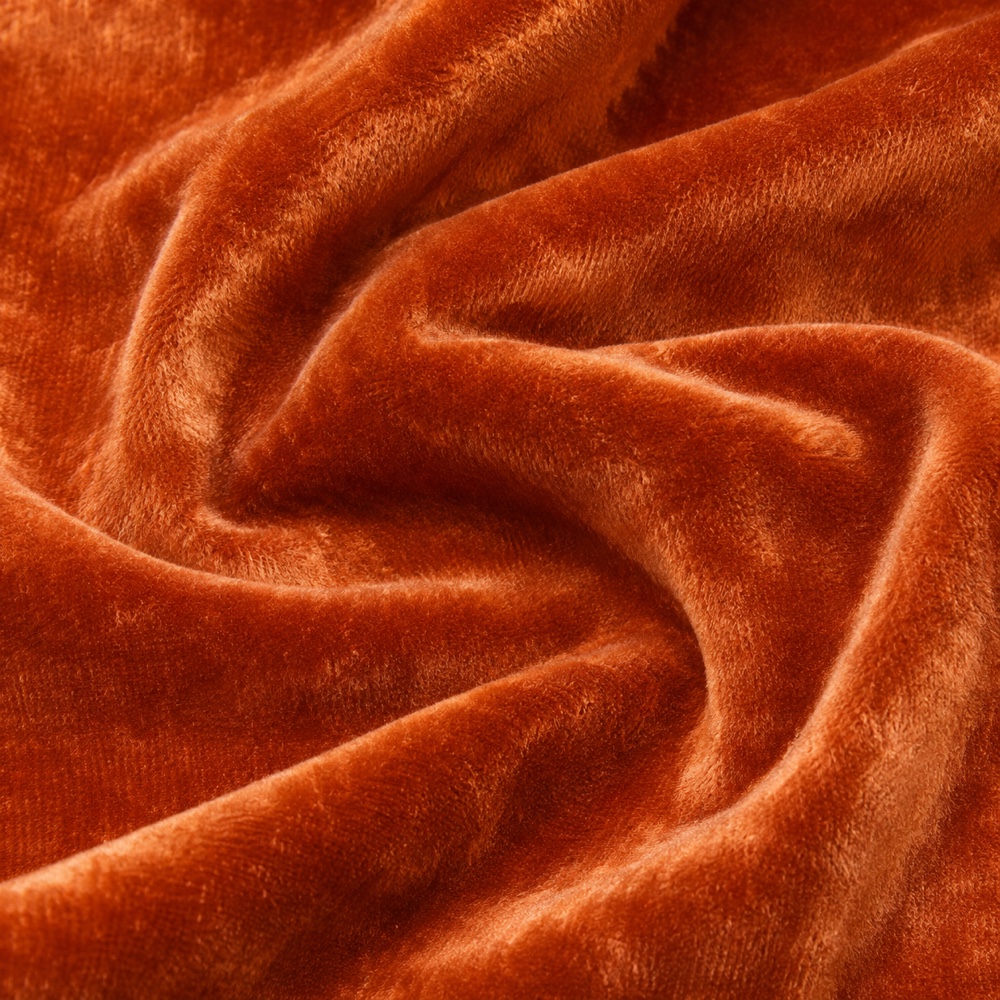
Check the direction of the pile and how the shade changes as the fabric turns. For a statement jacket or panel, agree cutting direction and decoration placement. Review the finished sample under the intended lighting.

For utility pants or a jacket, compare the diagonal weave, weight and drape with the desired silhouette. Check seam bulk and pocket construction. Approve the chosen wash and post-finish measurements together.
Layout examples only — fictional quotes and ratings, not verified customer reviews.


★★★★★
“Comparing the swatches side by side helped us explain which surface and hand feel suited our collection.”

★★★★★
“Keeping the material specification with the sample made it easier to discuss the base cloth and intended finish.”

★★★★★
“Recording the fabric lot and sourcing documents gave our team a shared reference for the next material review.”
Share the garment type, desired weight, hand feel and wash reference to review a material and sample proposal.