Screen Print vs DTG for Streetwear Brands: How Should Buyers Compare Artwork, Fabric, Samples and Repeat Production?
Buyer’s Guides ·
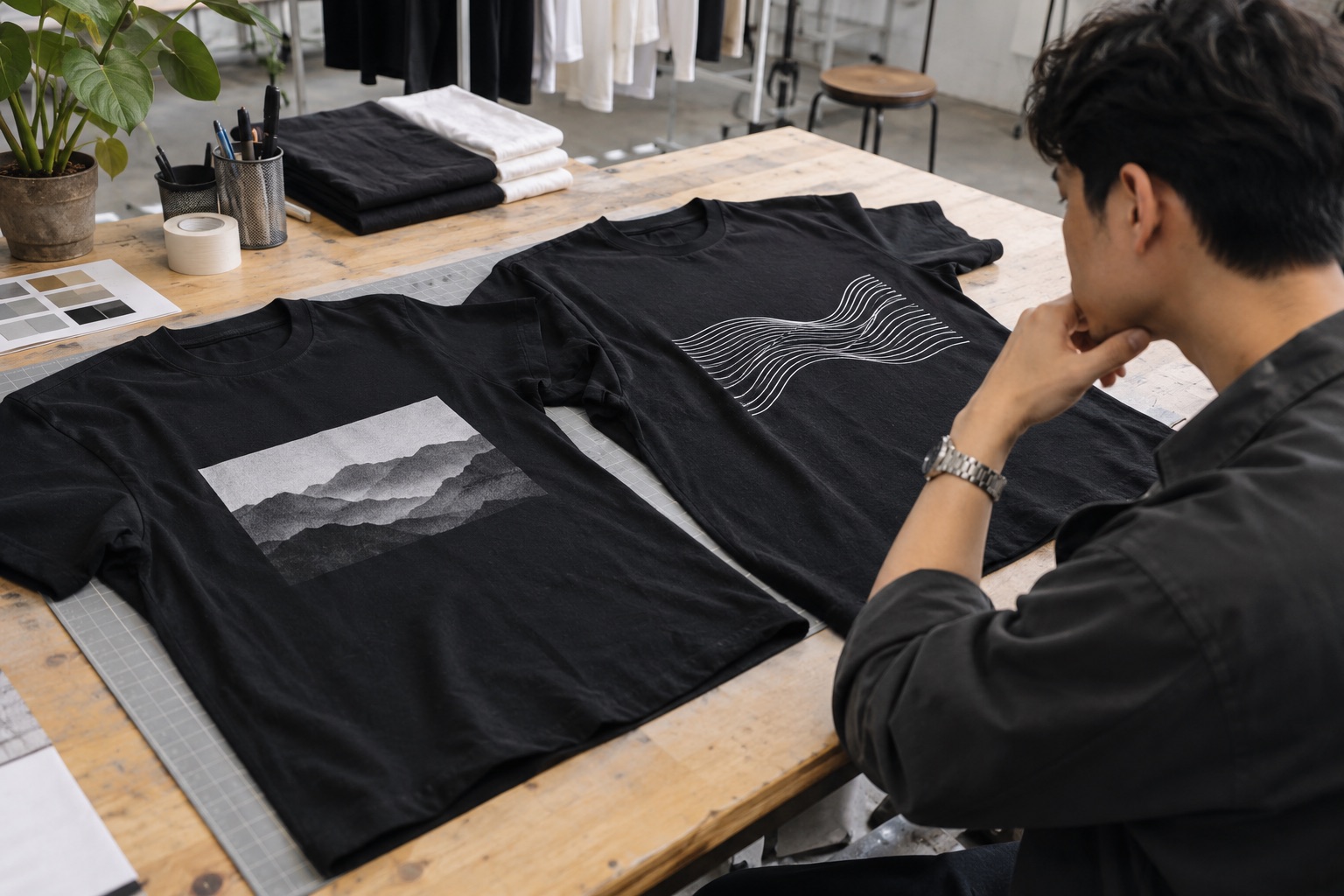
A print that looks convincing on a screen can feel very different on a heavyweight tee or a brushed hoodie. This guide helps purchasing teams compare the real production choices behind screen print vs DTG, from artwork preparation through repeat orders.
Direct Answer
Choose a process by testing the actual artwork on the proposed garment. Screen printing may suit artwork that can be separated into printable colors; DTG can be worth sampling for detailed multicolor artwork. Neither process is automatically cheaper or more durable. Compare a finished sample, a complete quotation and the intended care conditions before releasing the order.
Key takeaways for streetwear buyers
- Compare both methods on the same garment, artwork size, placement and color.
- Ask the supplier to identify setup, pretreatment, curing and any finishing assumptions in the quote.
- Review touch, coverage and detail on a complete sample before agreeing care checks.
- Keep artwork, garment reference, sample and process revision together for repeats.
What changes between screen printing and DTG?
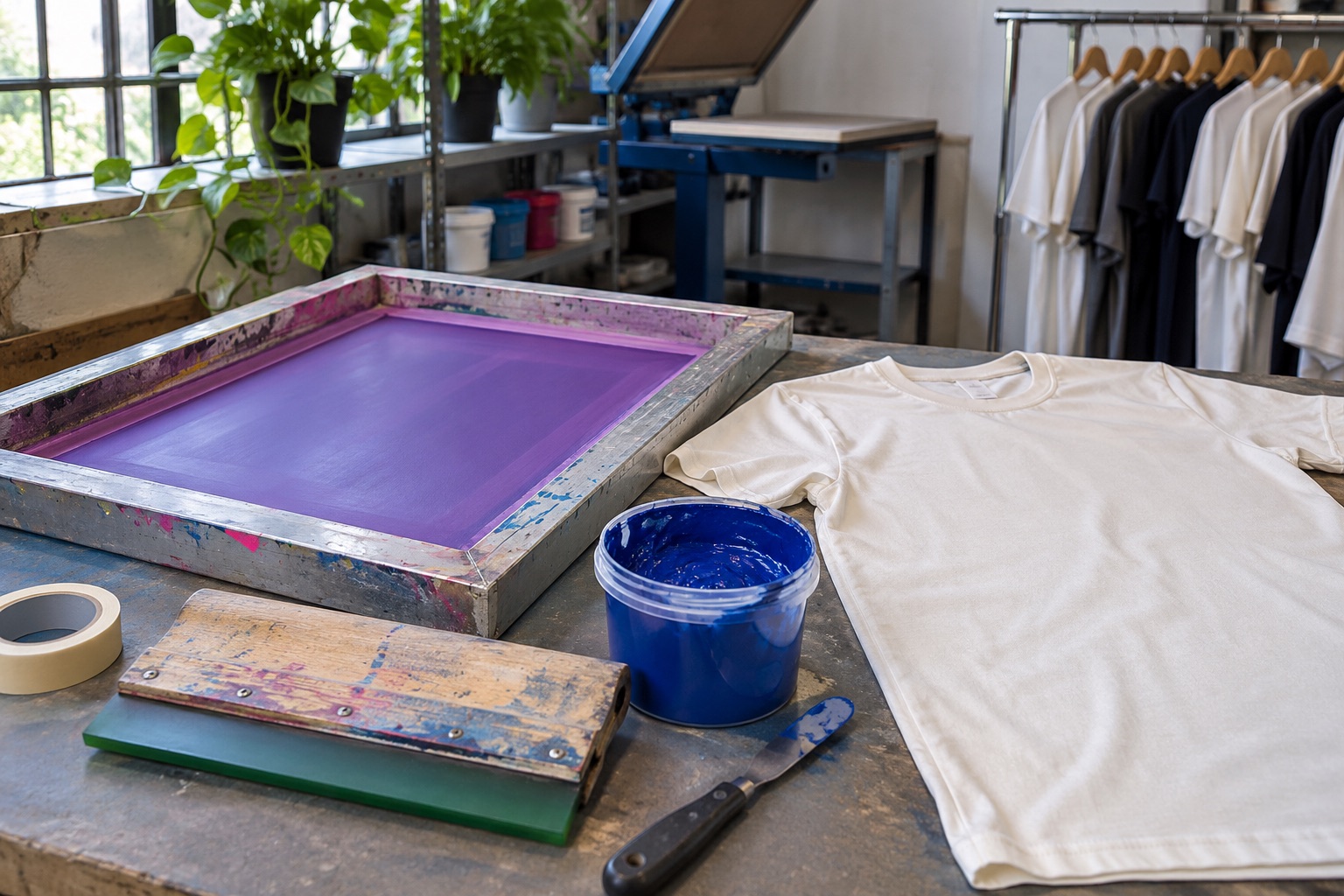
Screen printing transfers ink through a prepared screen. Each design must be prepared for the chosen print sequence and ink system. DTG prints artwork directly onto a garment with an inkjet-based process; equipment, ink, pretreatment and curing depend on the supplier’s system. Ask which fabric and garment surfaces the proposed route supports.
A digital file is a starting point, not an approval. Fine lines, gradients, dark grounds and the desired surface hand may affect the result. An apparently similar image on another garment does not establish that your fabric and artwork will behave the same way.
Which artwork details should a buyer send?
Supply the artwork at its intended print dimensions, placement measurements, color references and a clean production file. Identify gradients, very fine lettering, intentional distress and transparency. Ask the printer to flag details that need adjustment, and approve any revised artwork before a sample is made.
On dark fabric, ask whether a base layer or pretreatment is planned and how it may affect hand and appearance. For screen printing, understand the proposed separations and screens. For DTG, confirm how the provider interprets the file and what garment preparation is required.
How artwork and garment color change the trial
For a recurring, limited-color design, ask the screen printer how many screens, base layers and separations are planned; request a sample at the actual artwork size. A detailed multicolor gradient may justify a DTG trial on the same garment. These are starting hypotheses: fine detail, hand and the supplier’s equipment can change the result, so keep both methods open until the sample and full quote are reviewed.
When several designs each have a small quantity, compare the artwork-specific setup and minimum charges for every design, not only the combined order quantity. For a repeat of an unchanged design, ask which screens or files can be reused, how long they are retained, and whether a new setup or file preparation charge applies. A change to size, artwork or color arrangement may require a new setup.
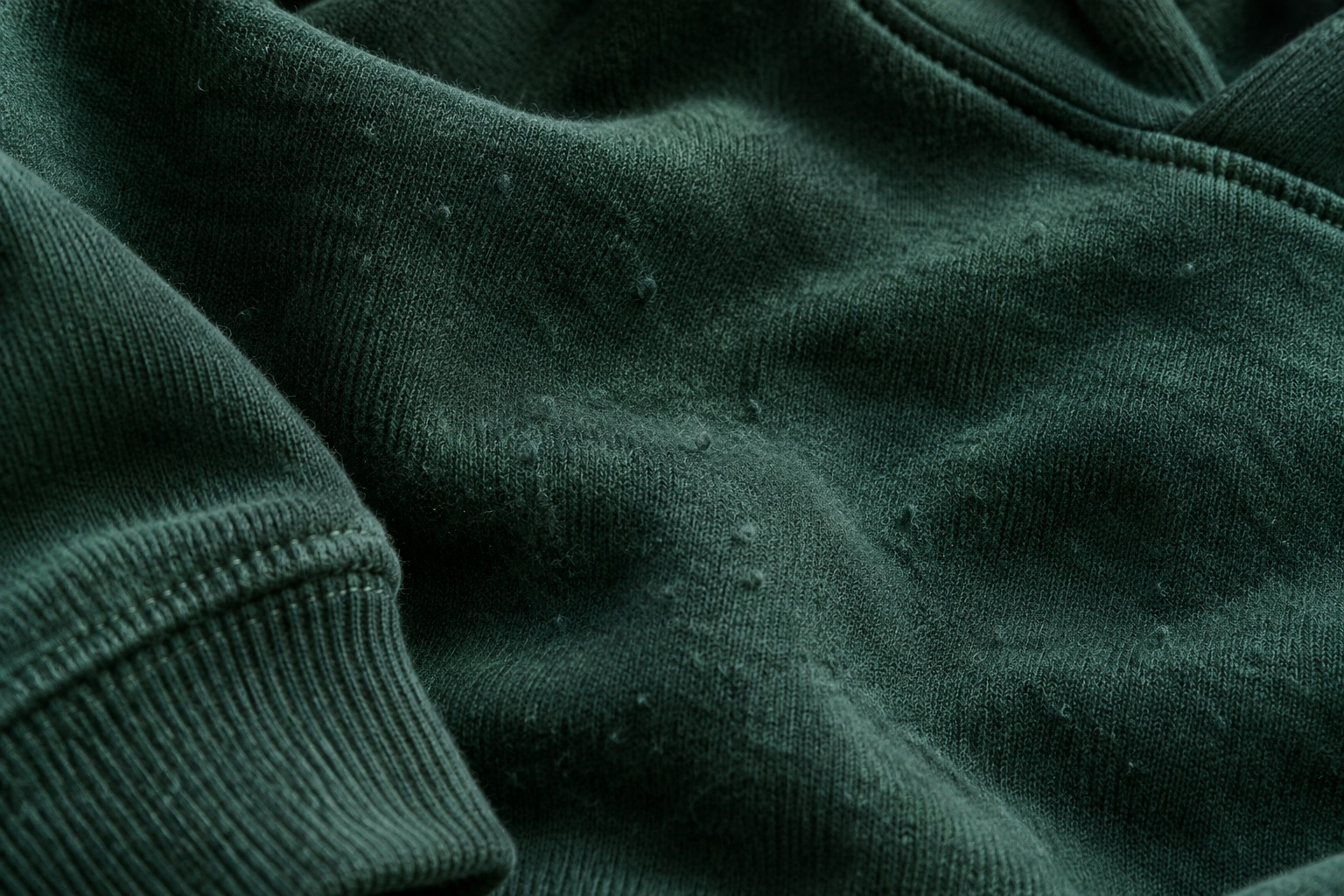
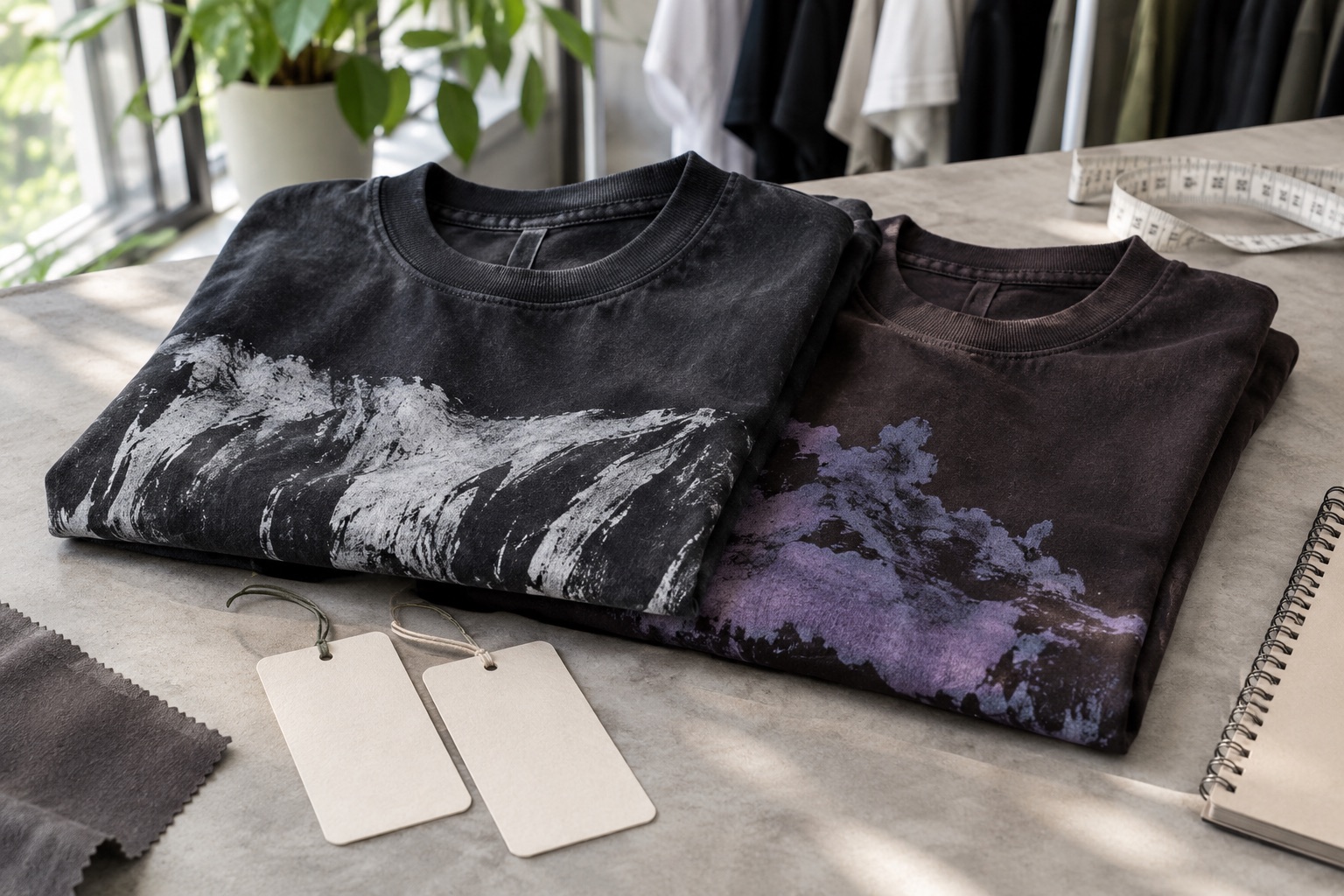
On a dark blank, request side-by-side finished samples showing the proposed underbase or pretreatment. If a soft hand is essential, handle the full printed area after the intended finishing; a denser base may alter touch, and a lighter application may affect coverage. Ask the supplier to identify its proposed trade-off rather than assuming that either process will meet both goals.
How should the quotations be compared?
Use the same quantity by size and color, garment reference, print dimensions, number of locations, packing requirements and delivery destination. Request a breakdown of setup and recurring charges where the supplier provides one. Identify whether samples, artwork changes, pretreatment, finishing and testing are included.
A smaller first order or multiple artwork revisions can change the economics, but there is no universal break-even quantity. Calculate the total for your actual order and likely repeat rather than comparing an isolated print price. A supplier may quote a different method or base garment; make those changes explicit.
A transparent cost comparison using fictional numbers
Illustration only: suppose the same order has 50 garments, one print location and no other differences. Method A has 100 currency units of order-specific setup plus 4 units per garment; method B has no setup plus 6 units per garment. A costs 100 + (4 × 50) = 300 units; B costs 0 + (6 × 50) = 300 units. These are invented figures to show the calculation, not market prices or a universal break-even rule.
If the same assumptions held for 100 garments, A would be 500 units and B 600 units. For a repeat, recalculate with the setup charge actually quoted for that repeat; if setup must be paid again for each artwork, include it separately. Add blank garments, sample and shipping charges, taxes, rejected pieces and agreed testing when they apply. Use the same inclusions and timing for both offers, and do not compare unit print rates alone.
| Cost component | Method A: hypothetical | Method B: hypothetical |
|---|---|---|
| Order-specific setup | 100 units | 0 units |
| Recurring charge per garment | 4 units | 6 units |
| 50 garments: setup + recurring | 100 + 4 × 50 = 300 | 0 + 6 × 50 = 300 |
| 100 garments: same assumptions | 100 + 4 × 100 = 500 | 0 + 6 × 100 = 600 |
What belongs in a meaningful sample review?
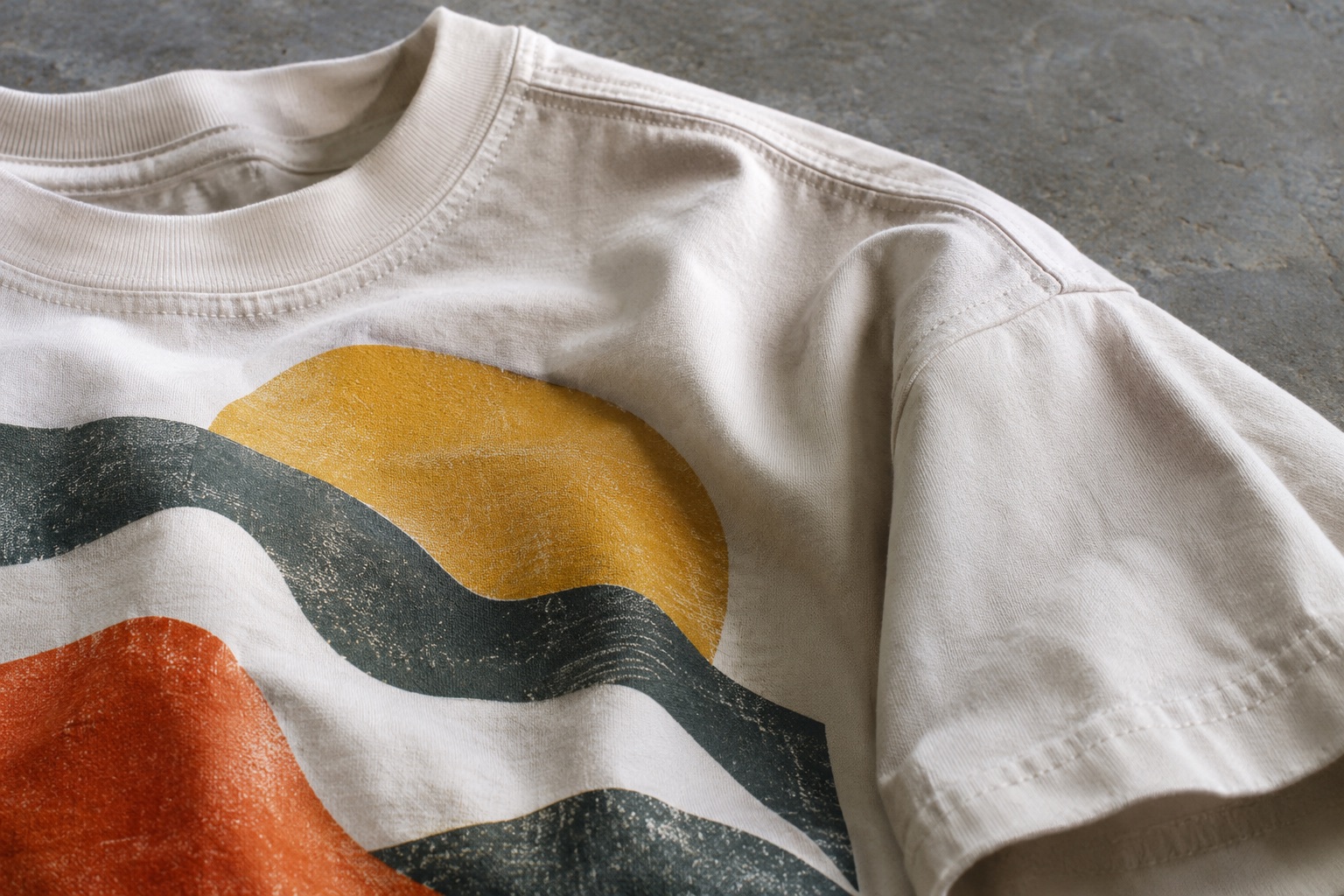
Request finished garments representing the proposed fabric, color, artwork and intended process. Place the print against measured reference points, inspect coverage and edges, and assess the hand by handling the garment. Record which sample version was reviewed and any artwork or process changes.
Compare like with like: a flat panel print is not a complete substitute for a decorated garment when seams, stretch or later washing matter. Review each relevant garment color separately when the surface or process conditions change. Agree how acceptable variation will be judged using a retained physical standard.
How should wash and abrasion concerns be handled?
Agree intended care instructions and the checks before testing. Compare each sample with its own pre-care appearance under consistent lighting and document the method, number of cycles, drying and any observed change. If independent evidence is required, ask a qualified laboratory to choose methods appropriate to the garment, ink and claimed performance.
Do not assign an unverified durability ranking from a photograph or promise a specific number of washes. Curing, ink, preparation, fabric, artwork and care can all affect results; a result for a different design or garment is not proof for this order.
What should be retained for repeat production?
Keep the approved physical sample, garment and color references, artwork file and revision, placement measurements, supplier’s process description and approved quote under one project record. Note who may approve substitutions and what evidence is needed before a change is accepted.
When the blank, ink, artwork size, print provider or finishing route changes, assess the significance of the change and request another sample or relevant test where needed. A repeat order is an opportunity to compare against the original approval, not a reason to skip it.
How can a buyer resolve a failed print sample?
Describe the failure precisely: print placement, fine detail, coverage, unwanted hand or change after the agreed care. Compare the sample to the artwork and record whether the same base garment and process were used. Ask the supplier to explain a proposed correction and its effect on the quote or delivery.
Change one major variable at a time when practical. Approve the revised artwork before production and evaluate the corrected garment against the same criteria. Keep the earlier sample to show whether the concern was resolved.
Which evidence supports each correction?
For weak coverage, first compare the affected garment color, coverage requirement, ink/base and the approved sample. Ask for a revised sample showing the proposed base or application change on the same blank; confirm the effect on hand before accepting it. For missing fine lines, compare the approved artwork file, reproduction size and the supplier’s separation or digital file preparation. A corrected file and a new print at production scale show whether the detail is legible.
For a print that feels too stiff, document the location and size of the affected area, the printed layers and the original hand requirement. Ask the supplier which layer, ink or process it proposes to change, then compare the physical revised sample; an image cannot establish hand. For a change after care, verify the actual wash/dry conditions and compare the garment with its own pre-care record; investigate preparation, curing and care together before attributing a cause. Approve a correction only after a representative sample and any agreed retest address the specific concern.
Comparison for buyers
| Decision point | Screen printing | DTG |
|---|---|---|
| Artwork | Screen separations and print sequence | Digital file preparation and garment compatibility |
| Quotation | Screens, setup, colors and locations | Preparation, garment, locations and production run |
| Approval | Printed and finished garment sample | Printed and finished garment sample |
| Repeat | Retained artwork and screen/process record | Retained artwork and process/preparation record |
Frequently asked questions
Is DTG always better for a small run?
Not always. Compare setup, garment preparation, artwork and the complete supplier quotation for the actual quantities.
Is screen printing always more durable?
No process name guarantees durability. Fabric, ink, curing and care must be evaluated on the actual sample.
Can a print sample on a different blank approve my order?
It can show a direction, but the intended fabric, color and garment should be tested when they affect the decision.
Sources and next steps
CottonWorks: Printing Process
CottonWorks: Cotton Printing Types and Techniques
Project brief: what to send
To discuss the decision covered in this guide, prepare the following project-specific information:
- Garment reference, material, color and quantity breakdown by size, color and artwork.
- Production artwork files, revisions, intended print dimensions, placements, color references and any detail or hand requirements.
- Expected first order and repeat scenarios, including whether artwork is unchanged and how often reorders may occur.
- Requested sample comparison, care conditions, acceptance criteria, testing responsibility, packing and delivery destination.
Confirm testing responsibility and commercial terms in the quotation.