Graphic Tee OEM Manufacturers: How Can Brands Control One T-Shirt Body Across New Artwork and Repeat Orders?
Buyer’s Guides ·
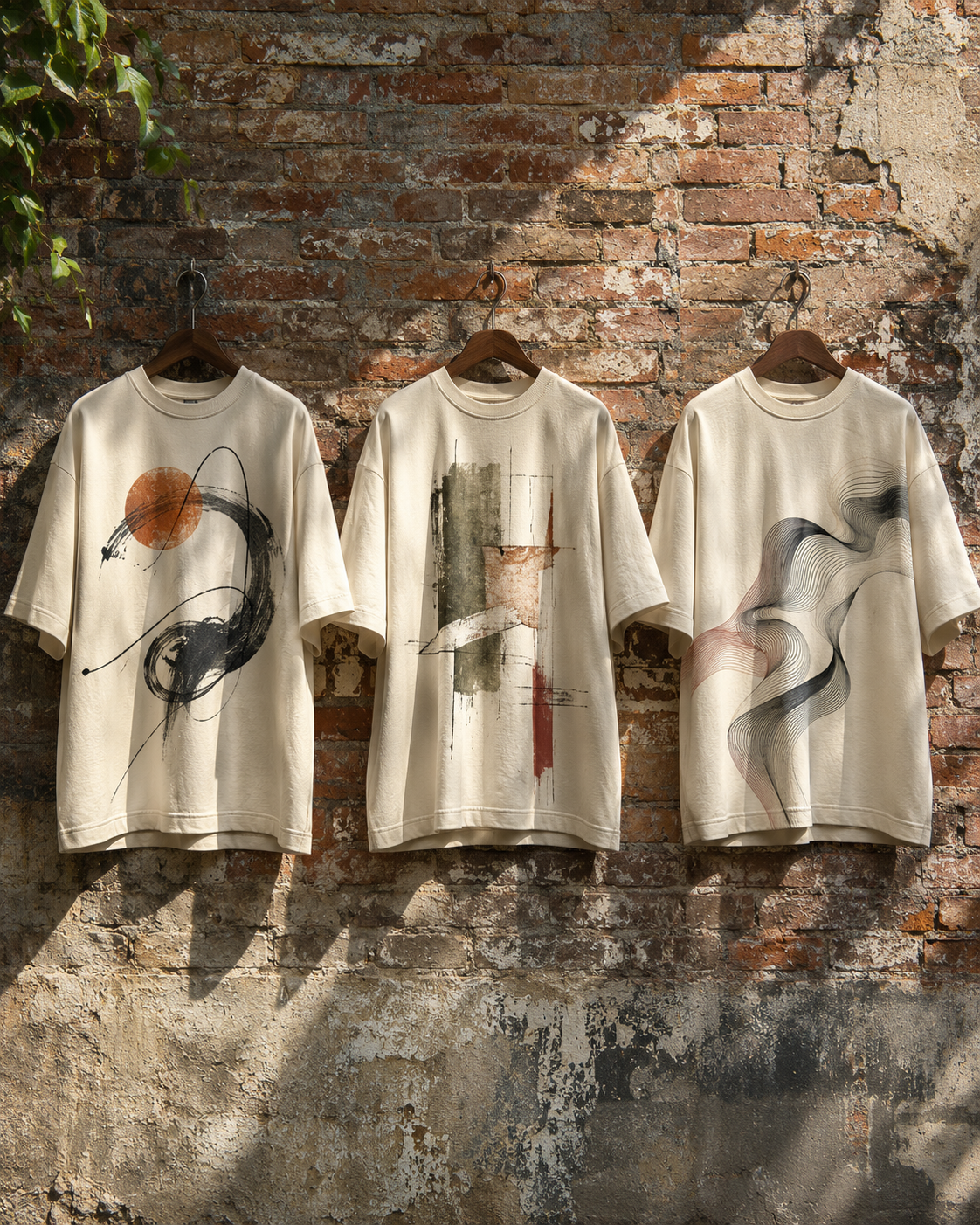
Keep the approved T-shirt body in a controlled master record and approve each new graphic as an identified variant. Reuse the body only where the new decoration leaves its material, fit and finishing assumptions valid. This approach preserves a proven garment while giving artwork, placement, color and order quantities their own clear approval path.
What should remain fixed when a brand introduces a new graphic T-shirt?
Define the garment before defining the collection. The stable reference should identify the pattern, finished measurements, grading, body material, neck rib, seams and intended finishing condition. Retain an approved physical garment with those records. A successful old sample is valuable, but production needs enough information to reproduce it without guessing which details made it successful. When comparing cut and sew graphic t shirt manufacturers, distinguish the approved garment body from the artwork and colorway that change with each drop. A streetwear graphic t shirt OEM program needs a body reference separate from the artwork revision. When an offer is labelled “custom graphic t shirt manufacturer china” or “streetwear t shirt manufacturer china”, ask which facility performs the work and who controls the finished garment.
Assign the body record a revision that stays independent of the drop’s artwork code. When the next graphic arrives, link it to that body and list only the new decisions: placement, color, decoration route and size assignment. If the neckline or material also changes, open a body revision rather than hiding it inside the artwork update. This gives purchasing a practical way to distinguish a new print from a new garment.
Review which aspects are truly stable. A body approved without a substantial print may still need evaluation when a large decorated area is added. The master reference is a starting point for controlled decisions, not a promise that every future treatment will behave identically. Keep the limits of the original approval visible to the team developing the next drop.
What belongs in the retained master-body record?
Include the pattern files and revision, measurement diagram, size chart, grading information and construction details. Identify the actual material and rib references, including their supply and finishing condition. Keep the approval comments and physical sample location with the record. Someone joining the program later should be able to identify the correct reference without searching through an informal message history.
Separate the garment standard from order-specific information. Quantity, launch date and a new artwork filename do not define the body itself. They belong in the order or variant record that refers to it. This separation makes it easier to reuse a proven product while preserving a clear account of what was approved for each delivery.
Which graphic changes need their own development and approval?
Treat artwork dimensions, placement, colors, process and surface effect as explicit decisions. A new image may be easy to apply visually but introduce a different coverage area or hand. Identify what has changed from the previously approved graphic. The supplier can then propose the relevant sample work instead of assuming either that everything must restart or that nothing needs checking.
Review the proposed decoration on the intended material and garment color. A digital file communicates shape and color intention, but it does not establish the appearance of ink on fabric. Retain the approved physical surface reference and connect it to the artwork revision. Where the design needs a particular texture, describe it and review the actual result rather than relying on a process name alone.
Consider the complete route. Decoration may interact with washing, heat, handling or another embellishment. Ask the technical team which previous approvals remain applicable and which need renewal. A new graphic should inherit only the evidence that still describes its material and manufacturing conditions.
When can an artwork update remain a variant of the same body?
Use a variant when the approved physical garment remains the intended product and the new treatment can be evaluated within that reference. Record the new artwork and its approvals separately. This allows several graphics to share a body while keeping their production identities clear. It does not mean they share every print setting or surface approval.
Create a new body revision when fit, construction or material changes alter the garment standard. Identify the relationship to the older body so the team understands the change. Do not hide a new neckline or different fabric under a graphic-only revision; that makes future comparisons and replenishment decisions unnecessarily difficult.
How should placement be specified on an oversized or boxy T-shirt?
Show the intended appearance on the garment and provide measurable references. Identify the finished point from which a position is measured, such as a defined neckline point or centerline. Keep the measurement method clear. A direction such as “center chest” can be interpreted differently when the shoulder is dropped and the body is especially wide.
Review the print while the garment is worn, not only on a flat drawing. The body shape and posture affect where the artwork appears. Check the front, side and relevant movement. If the design approaches a seam, pocket or hem, inspect that relationship on the finished sample. A centered file on a rectangular canvas is not proof of centered placement on a garment.
Keep the approved artwork dimensions separate from its location. Changing scale and moving the graphic are different decisions. Record both so the printer does not compensate for an unclear location by resizing the image. Retain a marked placement sheet with the approved sample to make inspection reproducible.
Should every garment size use the same artwork dimensions?
A fixed graphic size may be appropriate, but the visual proportions need review across the range. Check clearance on the smallest relevant garment and balance on the largest. Decide whether the program uses one size, several artwork groups or graded dimensions. The choice belongs in the specification rather than being inferred by the decorator.
If several scales are used, identify which garment sizes receive each version. Keep those files and approvals distinguishable. A graphic can be technically correct but assigned to the wrong size group. Include the assignment in the quantity and production records so the decoration and packing teams can identify the intended combination.
How should garment color and graphic color be approved together?
Treat each combination as a visual product. A graphic approved on a light body may appear different on a dark one, and the proposed print route may differ. Ask for the actual combination where color or surface is important. Do not assume that a digital color value guarantees the same textile appearance across all backgrounds.
Retain the accepted color references and identify the viewing condition used for approval. Photographs are useful for communication but can change appearance through lighting and display settings. Resolve a disputed color against the agreed physical reference and relevant assessment method rather than comparing screenshots from different devices.
Record which combinations are approved, rejected or still pending. The body color may be accepted while the print color is not. Keep those statuses separate so purchasing can understand material readiness without implying that the finished variant is released. A clear status record prevents partially approved work from being mistaken for a complete production authorization.
What if one colorway fails while the other graphics are ready?
Identify the exact unresolved combination and the reason it remains open. Ask whether the correction affects only that artwork, the shared print route or the underlying garment. Separate unaffected work only when the technical and commercial consequences are understood. Do not automatically delay or release the whole program without reviewing that connection.
Update the quantity plan if the brand chooses a split release. Identify the approved combinations and their delivery requirements, and keep the pending variant out of active instructions. When it is approved later, confirm that its materials and body reference still match the program. A delayed variant should not quietly receive an unreviewed replacement supply.
Which decoration changes can alter the garment’s hand or fit?
A larger or heavier decorated area can change how a panel bends or falls. Review that area in the complete garment, particularly when the design covers a substantial portion of an oversized body. Observe movement and comfort as well as the flat surface. A visually successful print may still change the wearing experience the brand wanted to preserve.
Ask the technical team to identify the process implications of the new treatment. Keep any heat, washing or supporting-material decisions connected to the sample route. The buyer should specify the intended result and required checks while the specialist defines the process appropriate to the actual materials. Avoid applying a generic process setting to every graphic.
Compare the decorated sample with the retained body reference in the same finished condition. Record any dimensional or visual change and investigate the cause. The purpose is to establish whether the variant still fits the approved product definition. A new decoration approval should not silently accept a different body shape simply because the artwork looks correct.
How should a combined print and embroidery design be evaluated?
Map the relationship between the two treatments and identify their order. Review the overlap, alignment, backing and surrounding material. A print approval and an embroidery approval made on separate samples do not demonstrate how the combined surface behaves. Request a sample that follows the intended route.
Check the reverse where embroidery support or stitching may contact the wearer. Review the panel after assembly and finishing, then compare the result with the intended hand and silhouette. Keep both decoration references linked to the variant. A change to one operation may require the interaction to be checked again.
What does an efficient sample plan look like for a recurring graphic program?
Start by separating questions that can be answered on a surface sample from those requiring a complete garment. A strike-off can help resolve artwork color or texture. A finished sample is needed for placement, fit and the interaction with construction and finishing. Use each sample for the decision it can actually support.
Give every sample a clear identity: body revision, artwork revision, garment color, size and process condition. Record what it was submitted to approve. This prevents a sample intended only for color review from being treated later as approval of placement or fit. Keep comments specific enough that the next sample can demonstrate the requested correction.
Plan the critical combinations rather than sampling without a purpose. Identify which sizes, colors or treatments introduce meaningful differences and explain why they are included. Agree the plan with the supplier and retain its limits. A representative sample is useful only when everyone understands what it represents and what remains to be checked.
How should a corrected sample be compared with the previous version?
Keep the previous sample and its comments available. Identify the requested change and compare the corrected feature directly. Then inspect nearby or connected features for unintended effects. For example, moving a graphic may improve neckline clearance but create a conflict with a pocket or hem. Closing one comment should not conceal a new issue.
Update the approval record with the accepted revision and any remaining conditions. Remove obsolete files from the active production package while retaining them in the archive. The approved sample, artwork and written instructions should describe the same variant. If they disagree, resolve the discrepancy before bulk work begins.
How should artwork files and revisions be controlled?
Use a clear identifier for each design and revision, and connect it to the body and colorway. Identify the production file separately from mockups used for discussion. Keep dimensions and color references in the accompanying instructions. A filename such as “final-new” is weak control when several people are sending updates across different channels. Compare graphic tee OEM manufacturers on the current body specification and the artwork revision needed for each order.
Define who can release a new artwork revision and where the current approved package is stored. When a change is accepted, notify the teams that need it and identify which previous version is superseded. The goal is one active reference for the order, not several similar files with uncertain status.
Ask how the printer verifies the file before production starts. Compare the first output with the approved reference and confirm the revision identity. This check should include placement and size assignment, not just whether the image looks familiar. A correct design from the wrong revision can be difficult to detect after large quantities are decorated.
What should happen to obsolete screens or embroidery files?
Agree how superseded production resources are identified and kept out of active use. The specific storage method belongs to the supplier, but the revision relationship should be clear. Ask what will happen when the brand repeats an older graphic that was intentionally retained. Archived does not necessarily mean prohibited; it means the order must identify the version it authorizes.
Keep the commercial and technical records aligned when a revision creates new setup work. Record the accepted scope and any consequence for timing or cost. Do not let a commercial approval of additional work substitute for technical approval of the resulting garment. Both decisions need to refer to the same revision.
How can multiple graphics share cutting without losing their identities?
Plan which work can genuinely be shared. Garments using the same approved material, color and body may share some preparation, while decoration and packing still require variant-specific control. Ask the supplier to describe the proposed batches and the points where identities are assigned or separated. Similar appearance does not make every item interchangeable. For graphic T-shirt OEM production, “same body, new artwork” requires separate control of the garment standard and each decoration.
Use a quantity matrix covering graphic, body color and size. Check totals against the order and the planned releases. Keep the matrix revision visible when quantities change. A small assortment can create many sellable combinations, and an arithmetic total alone does not reveal whether each combination has the correct allocation.
Define how undecorated work is identified if it is held for later graphics. Confirm which body revision and material lot it represents, and review its condition before use. Holding a common body can support flexibility, but the brand should understand the inventory commitment and the limits on later treatment. Do not assume every future graphic can be applied to every retained garment.
What should a small illustrative assortment matrix demonstrate?
Suppose a hypothetical program has three graphics, two body colors and four sizes. That creates 24 combinations if every graphic is offered in every color and size. It does not imply 24 different patterns. It does require a distinct assignment of quantity, artwork approval and packing identity for each offered combination.
If one graphic is available in only one body color, remove the unused combinations rather than leaving ambiguous zero or blank entries. Decide how the order system represents an unavailable option versus a pending quantity. This simple distinction helps production and packing avoid making an unintended variant when they encounter an incomplete matrix.
Which checks prevent mixed graphics, sizes or labels at packing?
Keep the finished item’s identity connected to the order matrix through decoration, inspection and packing. Review the actual garment against the correct variant reference. A size label alone cannot identify the graphic, and a correct print does not establish that the garment has the right label or barcode. Check those relationships together.
Agree how packing instructions distinguish variants that look similar. Use the brand’s actual identifiers and retain an approved label or barcode reference where applicable. Avoid relying on an operator to recognize subtle artwork differences from memory. The more closely related the variants are, the more valuable clear identifiers become.
Check a representative packed item against the order instructions before completing the packing run. Confirm garment identity, quantity arrangement and required presentation. Keep any correction connected to the affected work. A packing error can undermine a technically correct product, so it deserves its own approval reference rather than being treated as an afterthought.
How should quality checks distinguish body failures from artwork failures?
Use separate criteria for the shared garment and the individual graphic. Body checks include the approved measurements, construction and material references. Graphic checks include revision, dimensions, placement, color and accepted surface. Separating them helps the team investigate a problem without unnecessarily changing an already approved part of the product.
When a defect appears, identify the affected body revision, material, artwork and process batch. Ask whether the issue occurs across several graphics or only one treatment. That pattern can guide the investigation, but it is not proof of a cause on its own. Preserve samples and records so the technical team can compare the relevant conditions.
Keep the disposition clear. An item may need rework, replacement or further review under the agreed requirements. Record the decision and prevent rejected work from re-entering approved bundles without authorization. The objective is a consistent finished program, not merely a correct aggregate count of garments.
Which care checks should accompany the approved graphic?
Evaluate the relevant care conditions for the actual garment and decoration. Review dimensions and appearance separately, and record the sample identity and method used. Ask the supplier or laboratory to confirm the appropriate procedure and acceptance criteria. A generic wash statement without conditions offers little basis for comparing results.
AATCC TM150 concerns garment dimensional changes after home laundering. It can support a defined dimensional question, but it does not by itself establish the appearance or durability of a particular print. Keep the relevant decoration assessment and visual review with the report. Do not describe a variant as tested merely because a method is cited in its development brief.
How should procurement compare quotations for recurring graphic drops?
Identify the shared body scope and the variable decoration scope. Ask what setup, sampling and material commitments are included for each graphic and colorway. Confirm the quantity basis used for pricing. An attractive overall unit price may assume a different assortment or a simpler decoration than the brand intends to buy.
Separate one-time development work from recurring production costs where the supplier’s terms support that distinction. Ask what changes when artwork, placement or quantity is revised. Do not assume that the first order’s setup can be reused without checking the actual resource and revision. Keep the comparison connected to the approved program.
Review schedule dependencies alongside cost. A ready body does not eliminate an unresolved artwork approval or an unavailable material color. Ask which decisions must close before the production plan is confirmed. This makes the timing discussion more useful than treating every new graphic as either an immediate repeat or a completely new development project.
Which records should the factory retain for a future reorder?
Retain the master-body revision, material references, approved sample, artwork files, placement rules and variant approvals. Keep the quantity and packing records from each order separately so a future team can reproduce the product without accidentally reproducing an old assortment. Identify where the physical references are held and how they will be accessed. When comparing manufacturing companies in china for clothes, verify the proposed worksite, garment specification and responsibilities instead of relying on a location label.
Before a repeat, confirm what has changed in supply, process or requirements. A material replacement or new finishing route may require renewed garment review even when the graphic is unchanged. Conversely, a simple quantity change does not automatically require the body to be redesigned. Make the verification decision from the actual change.
Keep useful production findings with the archive. If a particular placement required an additional check, preserve that information for the next order. Distinguish an accepted exception from the normal standard. A repeat should reproduce the intended product, not silently inherit an undocumented compromise from an earlier shipment.
When should the brand establish a new master body?
Create a new standard when the intended product changes materially: a new silhouette, different construction or another material behavior that the brand wants to retain for future use. Give it a distinct identity and review its size range. A deliberate new body can coexist with the existing one without invalidating earlier approved graphics.
Decide whether older artwork will be offered on the new body and review placement accordingly. The same graphic dimensions can look different on another shape. Keep the resulting variant distinct in the order matrix and archive. This allows the creative program to evolve while preserving a clear record of which garment the customer will receive.
What should a brand submit to start a repeatable graphic T-shirt program?
Provide the physical fit reference or existing body specification, intended material and finish, size range and construction priorities. Include artwork files with dimensions, placement intentions and the proposed color combinations. Identify what is already approved and what remains a development question. This gives the supplier a basis for a targeted feasibility response.
Add the quantity matrix, packing requirements and expected repeat structure. Treat forecasts separately from firm orders and explain any intended use of common undecorated inventory. Ask the supplier to return a plan that identifies shared work, variant approvals and the evidence needed for release. The value of the program comes from clear decisions that can be reused, not from skipping verification.
How can a release record prevent a partially approved drop from entering production?
Consider a hypothetical program with one approved body and three graphics. Graphic A has an accepted finished sample. Graphic B has accepted colors but its placement is still being corrected. Graphic C has only a digital mockup. The body approval applies to all three as a reference, but it does not make all three variants ready for decoration. Their different states should be visible in the release record.
For each variant, identify the approved body revision, artwork revision, garment color and size assignment. Add separate fields for surface approval, placement approval and any required finished-garment review. Name the physical sample or file that supports each decision. A single green “approved” label is ambiguous when it does not explain which part of the product was reviewed.
Before release, reconcile the record with the production package. Check that the artwork file sent to the printer is the revision listed, that the quantity matrix contains only authorized combinations and that packing references match those combinations. Where a decision remains conditional, state the condition and who will close it. Do not allow an operator to infer approval from the presence of a file in a shared folder.
If the brand releases A while holding B and C, record the commercial and production implications. Confirm how shared material and undecorated garments are allocated and whether later releases will use the same supply. The split can be sensible, but it needs an explicit plan. It should not create a hidden assumption that future variants can consume material already committed to the first release.
How should a problem affecting one graphic be investigated without changing the entire body?
Suppose an illustrative inspection finds that the largest printed area feels noticeably firmer than the approved body, while two smaller graphics retain the intended drape. Identify the affected sample, material and process before attributing the difference to artwork coverage alone. Check whether the variants actually used the same body supply and finishing route. The comparison is useful only when those identities are known.
Ask the decorator to propose a correction that addresses the observed hand while preserving the required appearance. Review the new sample through the same complete route and compare both the printed area and the surrounding garment. If the correction changes color or surface texture, those features need renewed approval too. Solving one property does not automatically preserve every other approved property.
Keep the shared body unchanged unless the investigation establishes a reason to revise it. Record the graphic-specific correction and its approval. Conversely, if the issue appears across undecorated and decorated garments from the same new fabric lot, investigate that shared input rather than repeatedly changing artwork. The scope of the corrective action should follow the evidence.
What should a six-month reorder review check before reusing the archive?
Begin with an explicit change list. Confirm the body revision, current material source, garment color, decoration route and requested artwork version. Compare the new order’s size ratio and packing requirements with the previous delivery. A reorder can preserve the product while changing its assortment; the old quantity matrix should not be copied without reconciliation.
Inspect the retained physical references and confirm they are still suitable for comparison. Identify any sample that has been repeatedly washed, exposed or altered during review so it is not mistaken for the original approval condition. Where the reference is uncertain, agree how the standard will be re-established. An archive is useful only when the team understands the condition and authority of its contents.
Ask the supplier to identify unavailable or changed inputs before committing to production. Evaluate replacements against the affected requirements and document the accepted route. Keep any renewed test or sample evidence linked to the repeat order. This creates a traceable continuation of the program while making clear which decisions were inherited and which were reviewed again.
Which decisions belong to the body, variant and order?
| Record | Controls | Approval reference |
|---|---|---|
| Master body | Pattern, material, fit and construction | Current specification and physical sample |
| Graphic variant | Artwork, placement, color and treatment | Identified file and decorated sample |
| Order | Quantities, labels and packing | Released assortment matrix |
Which repeat-production questions should be resolved before release?
Can one body support several graphics?
Yes, when the body remains approved and each decoration is reviewed for its own placement, appearance and process effects.
Does a new graphic always need a new fit sample?
Assess the actual change. A treatment that changes material behavior or finishing may require renewed garment review; a body reference alone cannot resolve that risk.
Can pending artwork be included in a bulk release?
Keep its status explicit. Release only the defined approved work and identify the consequences of any split plan.
Can an old artwork file be reused for a reorder?
Confirm the authorized revision, material, body and process. Retaining a file is not the same as approving it for every later order.
Which source supports the dimensional-care discussion?
AATCC garment dimensional changes
AATCC TM150 addresses dimensional changes after home laundering. Confirm applicability, conditions and acceptance criteria with the laboratory. This article reports no tested garment result.